

Option Lot Size by Index: Nifty 65, Bank Nifty 30, Sensex 20 to 25
Quick answer
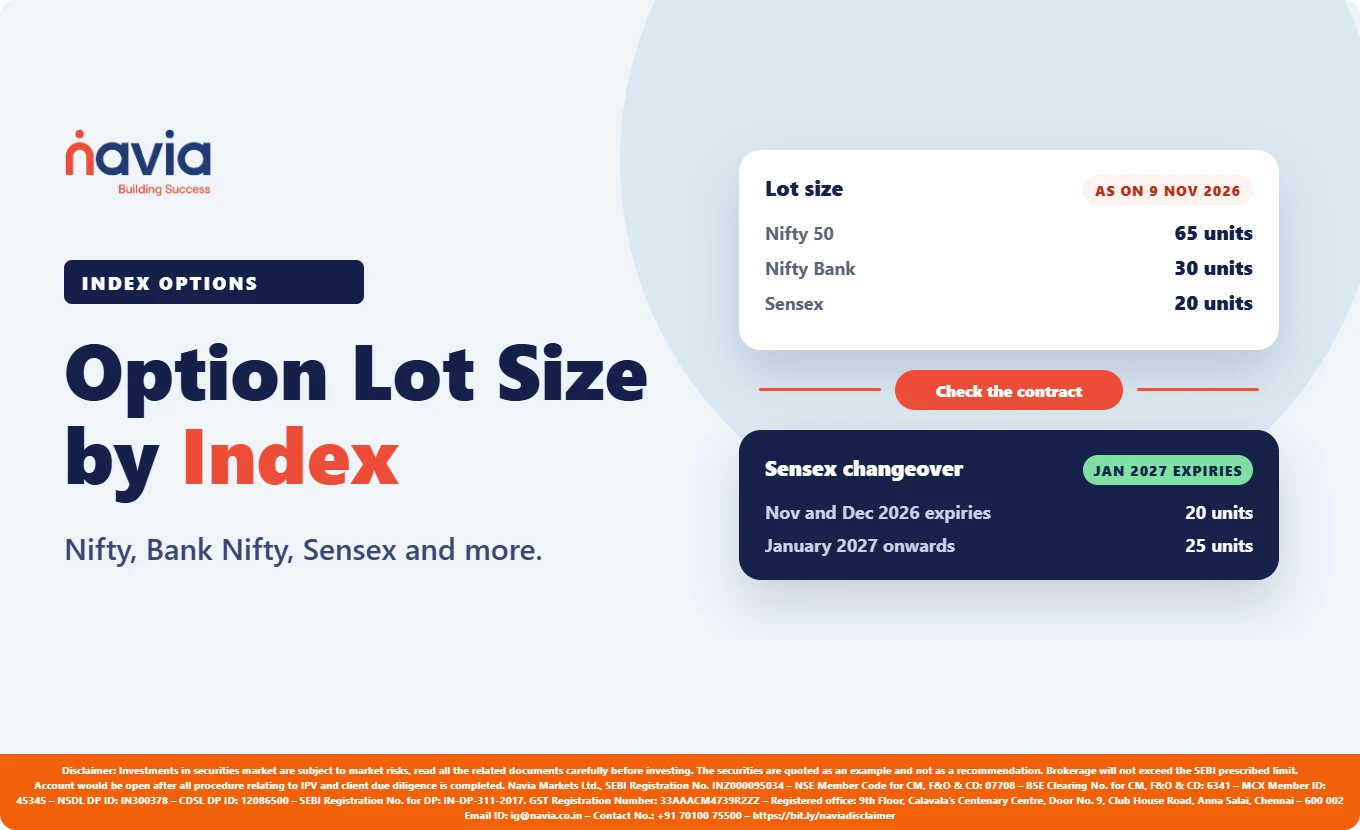
Index options trade in fixed lots, so the smallest position you can take is one lot — not one unit. As on 9 November 2026 the lot size is 65 for Nifty 50, 30 for Nifty Bank and 20 for BSE Sensex on November and December 2026 expiries. FinNifty is 60, Nifty Midcap Select 120, Nifty Next 50 25, Bankex 30 and Sensex 50 75.
One change is already scheduled. The Sensex lot moves to 25 for contracts expiring January 2027 onwards, so a position rolled into the new year commits you to 25 units per lot.
Key takeaways
- Lot size is the multiplier on every index option contract. Premium paid equals premium per unit multiplied by the lot size.
- As on 9 November 2026: Nifty 50 — 65, Nifty Bank — 30, Sensex — 20 (November and December 2026 expiries).
- Sensex moves to 25 from January 2027 expiries. Two lot sizes are live at once during the changeover, so check the contract, not the index.
- Lot sizes are set by exchange circular and revised periodically. They are not fixed, and a figure copied from an old article will size your position wrongly.
- Before you place the order, read the lot size off the contract in your order window — that is the only figure that governs your trade.
What is a lot size in options trading?
A lot size is the fixed number of units of the underlying that one options contract represents.
You cannot buy a single unit of a Nifty option. The exchange defines a contract as a set quantity, and every order is a whole number of those contracts. If the Nifty lot size is 65 and a strike is quoted at ₹120, one lot costs ₹120 × 65 = ₹7,800 in premium, and two lots cost ₹15,600.
That multiplier runs through everything downstream. It sets the premium you pay as a buyer, the margin you post as a writer, and the profit or loss per point the index moves. A one-point move on a 65-unit Nifty lot is ₹65.
What is the Nifty lot size, Bank Nifty lot size and Sensex lot size?
Index option lot sizes are set by the exchange and published by circular. These are the figures in force as on 9 November 2026.
| Exchange | Index | Symbol | Lot size |
|---|---|---|---|
| NSE | Nifty 50 | NIFTY | 65 |
| NSE | Nifty Bank | BANKNIFTY | 30 |
| NSE | Nifty Financial Services | FINNIFTY | 60 |
| NSE | Nifty Midcap Select | MIDCPNIFTY | 120 |
| NSE | Nifty Next 50 | NIFTYNXT50 | 25 |
| BSE | Sensex | SENSEX | 20 → 25 from Jan 2027 expiries |
| BSE | Bankex | BANKEX | 30 |
| BSE | Sensex 50 | SENSEX50 | 75 |
As on 9 November 2026. NSE index lot sizes have applied since the January 2026 series (NSE circular NSE/FAOP/70616 dated 3 October 2025, in the NSE circulars archive). The Sensex revision is BSE Notice 20260930-58 dated 30 September 2026, effective 30 October 2026, in BSE Notices & Circulars. Lot sizes are revised by circular — verify against the contract in your order window before trading.

The NSE figures have been stable since the January 2026 series, when the Nifty lot size moved from 75 to 65, the Bank Nifty lot size from 35 to 30, the FinNifty lot size from 65 to 60 and Nifty Midcap Select from 140 to 120. On the BSE side the Bankex lot size is 30 and Sensex 50 is 75, both unchanged. A separate revision on 30 September 2026 changed lot sizes for NSE stock derivatives, not index derivatives, so the index figures above were unaffected by it.
What does one lot actually commit you to?
Two different numbers matter, and traders routinely confuse them: the premium you pay, and the contract value you are exposed to.
As an option buyer, your outlay is the premium multiplied by the lot size, and that is also your maximum loss. At a quoted premium of ₹120 on a 65-unit Nifty lot, you pay ₹7,800 and cannot lose more than that.
Contract value is a different figure. It is the index level multiplied by the lot size, and it measures the exposure the contract tracks. If Nifty were at 26,000, one 65-unit lot would represent 26,000 × 65 = ₹16,90,000 of notional exposure for ₹7,800 of premium. That gap is the leverage, and it is the reason a small adverse move can erase the entire premium.

As an option writer, neither figure is what you post. Margin is calculated by the exchange on the contract’s risk, it changes daily, and losses are not capped at the premium received.
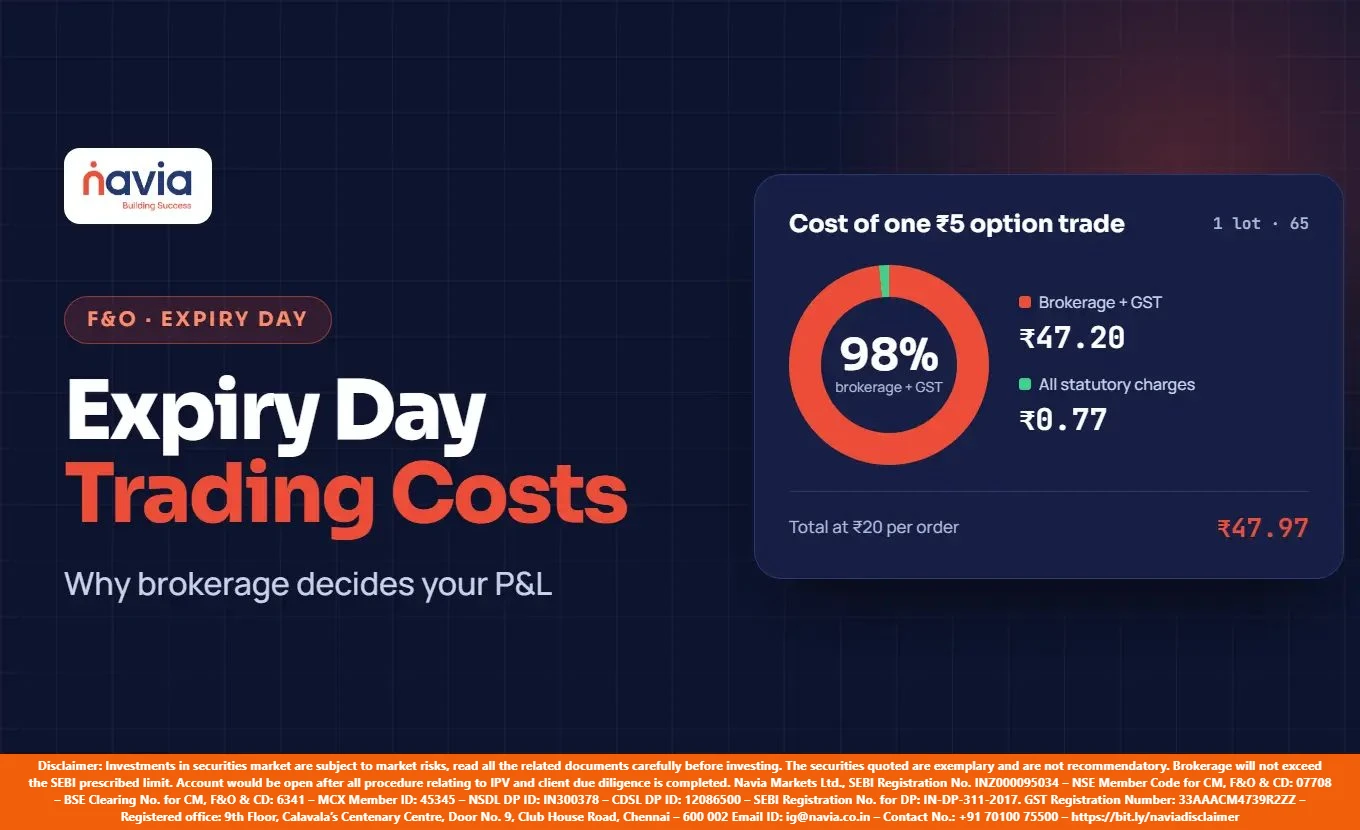
Because every charge is applied to the lot rather than to a single unit, lot size also drives what a round trip costs — which matters most on the day volumes are highest, as expiry day trading costs sets out. To work out what a specific trade costs you in brokerage and statutory charges before you place it, use the Navia brokerage calculator. Brokerage will not exceed the SEBI prescribed limit.
Why is the Sensex lot size changing, and when does it apply?
BSE has revised the Sensex lot from 20 to 25, and the change is keyed to expiry rather than to a single switch-over date.
Contracts expiring in November and December 2026 continue at 20. Contracts expiring January 2027 onwards carry 25. Both sit in the market at the same time during the changeover, which is where mistakes happen: a trader who sizes a January position off the November lot commits to 25% more than intended.

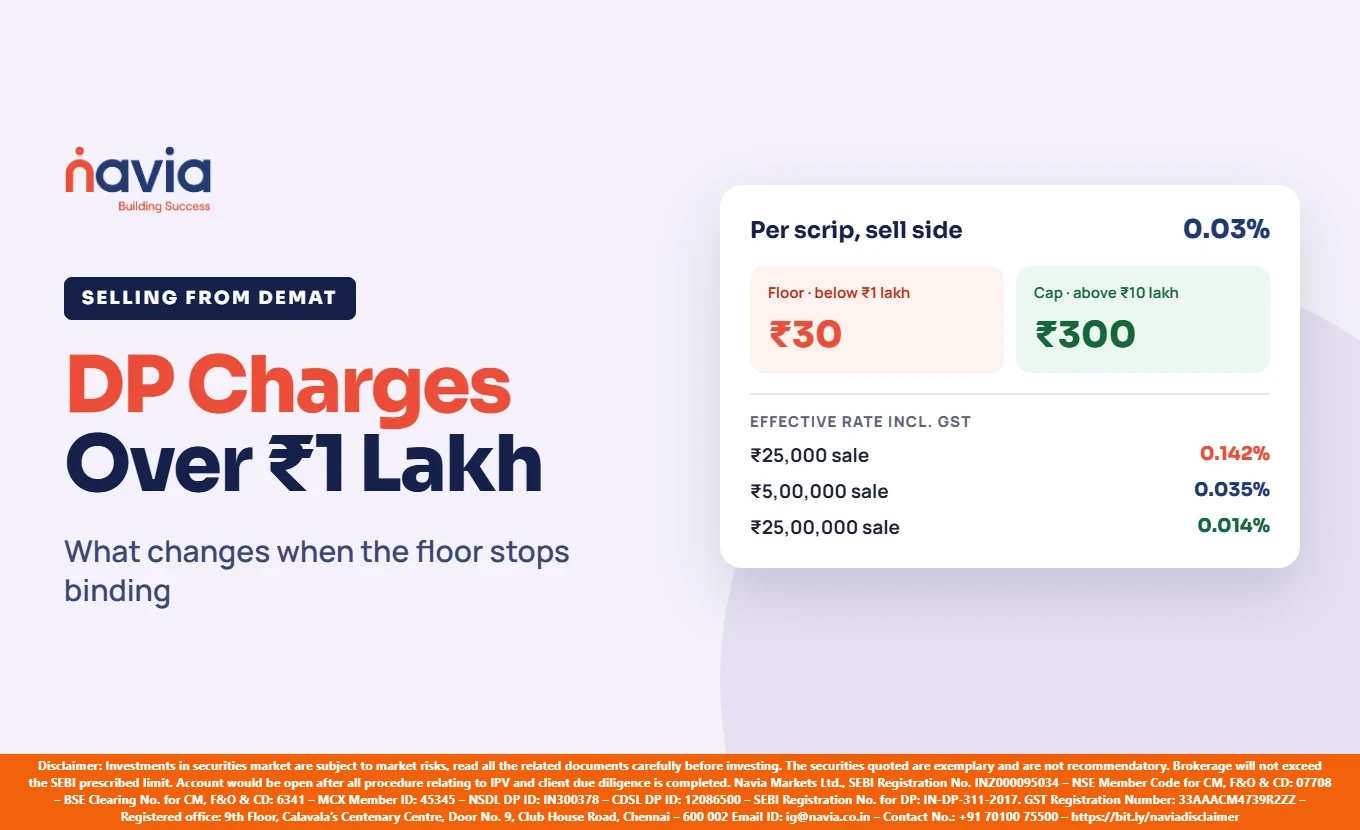
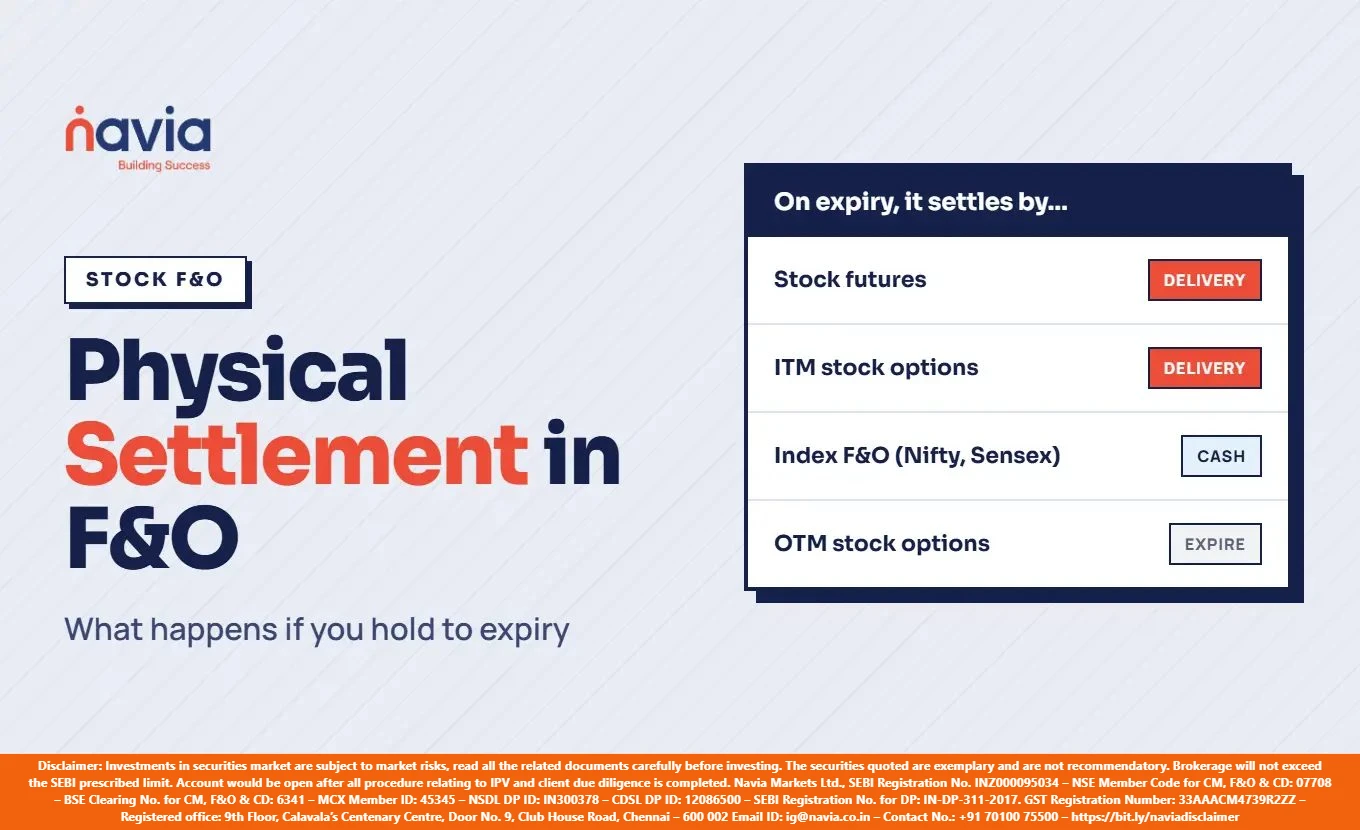
This is why the lot size to trust is the one shown against the specific contract you are about to trade, not a remembered figure or a number from an article. Expiry governs more than sizing — what happens to an unclosed position is set out in physical settlement of stock F&O. The rule applies to every index, not only Sensex — it simply bites hardest when a revision is mid-transition.
Why do option lot sizes change at all?
Because the exchange sizes a contract by value, not by units, and index levels drift.
A lot size is set so that one contract represents a contract value inside the band the regulator and exchange have specified. As an index rises, a fixed unit count represents steadily more money, and the lot is eventually cut to bring contract value back into range. That is why Nifty’s lot fell from 75 to 65 and Nifty Bank’s from 35 to 30 while the indices themselves were rising.
A lot size change is therefore a scheduled event rather than a surprise. Revisions are announced by exchange circular, usually with a lead time of several weeks, and take effect from a nominated expiry rather than overnight. Open positions in contracts that already exist generally run to expiry at their original lot size, which is why a Nifty lot size change or a Sensex lot size change can leave two figures live in the market at the same time.
How do you check the current lot size before you trade?
Read it off the contract in your order window — that figure is the one your order will actually use.
Every options order ticket shows the lot size, or the quantity in lots, for the exact contract selected. Because it comes from the exchange contract master rather than from a static page, it is correct on the day, including mid-transition when two lot sizes are live. The same figure governs the quantity column when you read an option chain.
Three habits worth keeping. Check the lot size against the expiry you are trading, not the nearest one. Re-check after any exchange circular announcing a revision. And treat any lot size you have memorised as provisional, because the figure that was right last quarter may not be right this one.
If you do not yet have a derivatives segment enabled, you can open an options trading account with Navia online.
Conclusion
Lot size is the quietest number in an options trade and one of the most consequential, because it multiplies everything else.
As on 9 November 2026, Nifty is 65, Nifty Bank is 30 and Sensex is 20 on November and December expiries, moving to 25 from January 2027. FinNifty is 60, Nifty Midcap Select 120, Nifty Next 50 25, Bankex 30 and Sensex 50 75.
Trading index options at Navia. Enable the derivatives segment online, then confirm the lot size on the contract in your order window before you place the trade.
Educational content, not investment advice. Lot sizes are those published by the exchanges as on 9 November 2026 and are revised by circular; verify against the contract in your order window before trading.
Sources: NSE circular NSE/FAOP/70616 dated 3 October 2025 (index derivative market lot revision, effective from the January 2026 series) and NSE/FAOP/76657 dated 30 September 2026 (stock derivatives; index lots unaffected), via the NSE circulars archive. BSE Notice 20260930-58 dated 30 September 2026 (Sensex lot revision, effective 30 October 2026), via BSE Notices & Circulars. Retrieved 9 November 2026.
Did you find this article helpful?
Your feedback helps us write better content.
Frequently Asked Questions
What is the Nifty option lot size?
The Nifty 50 option lot size is 65 units per contract as on 9 November 2026, in force since the January 2026 series when it was reduced from 75. At a quoted premium of ₹120, one lot costs ₹120 × 65 = ₹7,800.
What is the Bank Nifty lot size?
Nifty Bank options carry a lot size of 30 units per contract as on 9 November 2026, reduced from 35 with effect from the January 2026 series. Every one-point move in the index is worth ₹30 on a single lot.
What is the Sensex option lot size?
BSE Sensex options carry a lot size of 20 for contracts expiring in November and December 2026, and 25 for contracts expiring January 2027 onwards, under BSE Notice 20260930-58. Check the expiry you are trading, because both are live during the changeover.
Why do index option lot sizes keep changing?
Exchanges size a contract by its value rather than by a fixed unit count. As an index rises, the same number of units represents more money, so the lot is periodically cut to keep contract value within the specified range. Revisions are announced by circular and apply from a nominated expiry.
How do I calculate the cost of one lot?
Multiply the quoted premium per unit by the lot size. A Nifty strike quoted at ₹120 costs ₹7,800 for one lot of 65. That premium is your maximum loss as a buyer; as a writer, margin is set by the exchange on the contract’s risk and losses are not capped at the premium received.
Where can I see the current lot size for a contract?
In the order window of your trading platform, against the specific contract and expiry you have selected. That figure comes from the exchange contract master, so it is correct on the day — including when a revision is part-way through and two lot sizes are live at once.