

Precious Metal Strategies: A Detailed Guide on How to Invest in Silver
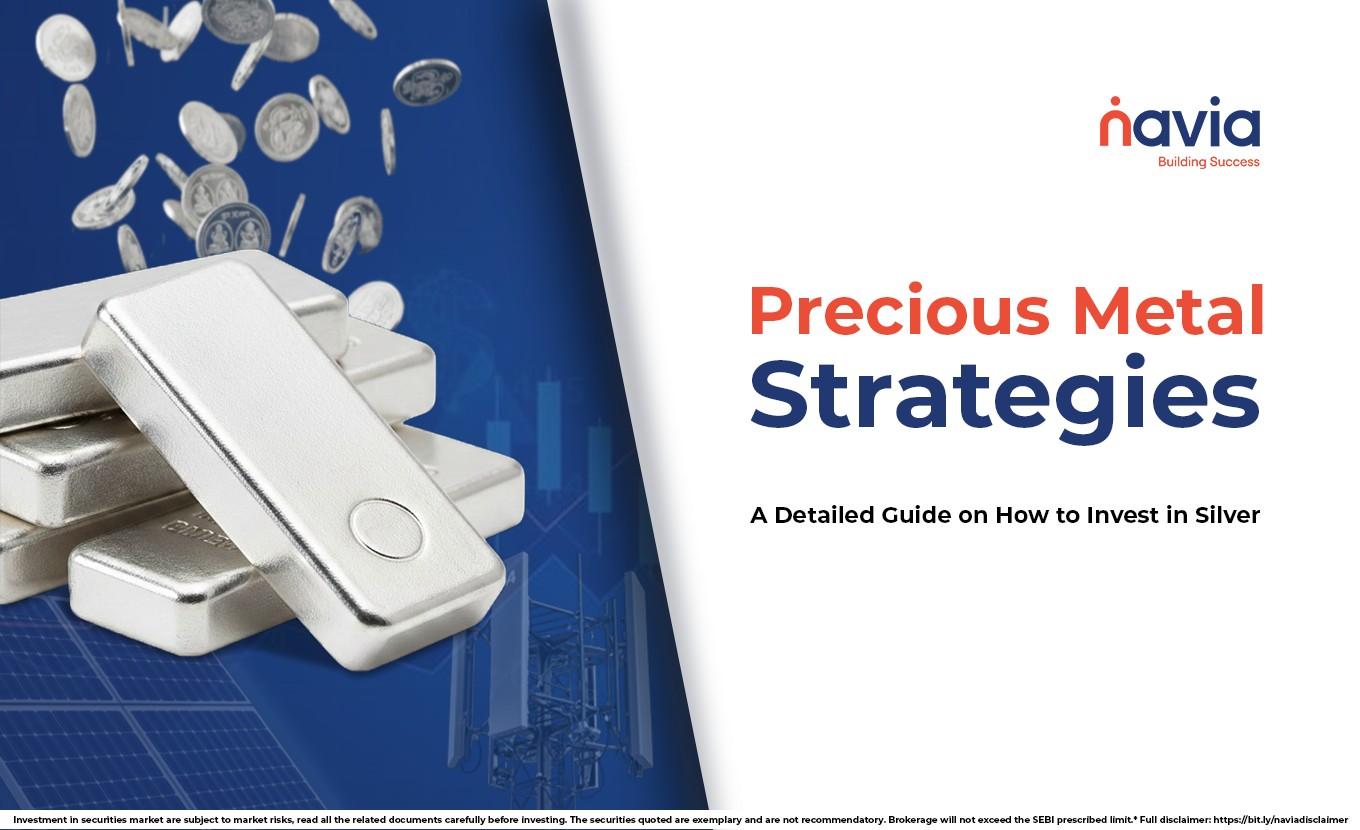
We know that in the world of commodities, gold often steals the spotlight, but silver has quietly emerged as a versatile and high-potential asset class for modern portfolios. Investors seeking exposure to precious metals may consider understanding the various ways to invest in silver.
Silver is unique because it is both a precious metal and an industrial powerhouse. From solar panels to electric vehicles, silver connectivity makes it indispensable in the tech-driven economy. For people in the domestic market, understanding how to invest in silver in India requires looking beyond traditional jewelry and exploring digital and paper-backed avenues. This guide will break down where to invest in silver to maximize your returns.
💡 Quick Answer
You can invest in silver in India through physical coins and bars, Silver ETFs (bought with a demat account) or Silver Fund of Funds (which allow SIPs without a demat account). ETFs and FoFs avoid storage and purity worries and let you start from as little as one gram. Silver tends to track gold but with higher volatility, and it is a taxable asset — so match the vehicle to your goal and keep precious metals to a small slice of your portfolio.
Why Consider Silver in 2026?
Before diving into the “how”, it is important to understand the “why”. Silver often moves together with gold, but with higher volatility, which means it carries more risk. The potential for rapid gains during a bull market is significantly higher. Let’s see some of the reasons for increasing its demand in 2026.
Industrial Demand
Unlike gold, which is mostly stored in vaults, nearly 50% of silver is consumed by industries. As India pushes for “Green Energy” and “Digital India”, silver is widely used across industries such as electronics, renewable energy, and manufacturing, which may influence demand dynamics over time.
Inflation Hedge
Like all other precious metals, historically, some investors have considered precious metals as a potential hedge against inflation, although outcomes may vary depending on market conditions.
Low Entry Barrier
Silver is significantly more affordable than gold, making it the perfect entry point for retail investors who want to diversify into commodities with a smaller capital base.
How to Invest in Silver in India?
The Indian market offers a variety of ways to gain exposure to silver, ranging from physical ownership to sophisticated financial instruments.
Physical Silver (Coins and Bars)
Physical silver is the most traditional method; here investors can purchase silver coins or bars from local jewelers or banks.
Pros: You have physical possession; no counterparty risk.
Cons: Challenges include storage safety, insurance costs, and the making charges or melting losses which can eat your profits upon resale.
Silver ETFs (Exchange Traded Funds)
If you want to know where to invest in silver without the headache of physical storage, silver ETFs are one of the available options for gaining exposure to silver prices without holding physical silver, because these funds track the domestic price of physical silver.
Pros: High liquidity, no storage worries, and you can start with the price of just 1 gram of silver.
Cons: A demat account is needed to invest in silver, and it’s linked with risks that may include market risk, tracking error, liquidity considerations, and fluctuations in silver prices.
Silver Fund of Funds (FoF)
Those who don’t have a demat account but still want to know how to invest in silver, Fund of Funds are an excellent choice for them. These mutual funds invest their corpus into Silver ETFs.
Pros: Allows for SIP (Systematic Investment Plan), making it ideal for long-term wealth creation.
Cons: Compared to equity or bonds, FoF returns will depend on silver price movements, fund expenses, and market conditions, and there are no regular income payouts too.

Key Factors Influencing Silver Prices
When learning how to invest in silver, you must keep an eye on the factors that move the needle:
- Global Industrial Growth: Since silver is an industrial metal, a global manufacturing slowdown can depress prices, even if gold is rising.
- The Dollar Index: Generally, silver has an inverse relationship with the US Dollar. A weaker dollar often leads to higher silver prices.
- Import Duties: In India, the government frequently adjusts import duties on precious metals, which directly impacts the domestic landing price.
How to Invest in Silver: A Step-by-Step Approach
If you are ready to start, follow this simple roadmap (education purpose only) to ensure a secure investment journey:
- Define Your Goal: Are you investing in a wedding in 10 years (Physical) or for a 15% return in 6 months (ETF/Futures)?
- Choose Your Platform: For digital silver, ensure your broker offers seamless access to ETFs and MCX trading.
- Monitor Purity: If buying physical, always insist on hallmarked silver to ensure you get the right value during liquidation.
- Diversify: Experts suggest that precious metals should ideally form 5% to 10% of your total portfolio. Do not put all your capital into silver; balance it with equities and debt.
Tax Implications on Silver Investments
It is crucial to understand that silver is a taxable asset.
Physical/ETFs: For physical gold and non-equity ETFs (debt/international) held for over 12 months, gains are taxed at 12.5% without indexation, not 20% with indexation. Short-term gains (<12 months) are taxed at your slab rate.
GST: A 3% GST is applicable on the purchase of physical silver.
Conclusion: Is Silver the Right Choice for You?
The question of how to invest in silver is no longer just about buying anklets or utensils. With the advent of Silver ETFs and the maturity of the MCX, silver has become a sophisticated financial tool. It offers the safety of a hard asset with the growth potential of an industrial commodity.
Whether you are looking for where to invest in silver to protect your savings or to play the volatility of the commodity cycle, the key is to stay informed and choose the right vehicle—be it a digital ETF for convenience or a physical bar for security.
Key Takeaways
- Silver is both a precious metal and an industrial metal, so its price responds to industrial demand as well as safe-haven flows.
- Main routes: physical silver, Silver ETFs (need a demat account) and Silver Fund of Funds (SIP-friendly, no demat needed).
- Silver is cheaper than gold and more volatile — higher potential gains, but higher risk.
- Watch global industrial growth, the US Dollar Index and India’s import duties, which all move silver prices.
- Silver is a taxable asset and attracts GST on physical purchases; keep precious metals to a small, diversified slice of your portfolio.
Did you find this article helpful?
Your feedback helps us write better content.

Frequently Asked Questions
Can I buy silver in small amounts?
Yes, through Silver ETFs or Digital Silver platforms, minimum investment amounts vary depending on the platform, ETF price, or investment product selected.
Which is better, Gold or Silver?
Gold is more stable, while Silver is more volatile. Silver is often preferred during industrial booms, whereas gold shines during deep economic crises.
Is silver a good long-term investment?
Silver’s long-term performance depends on multiple factors including industrial demand, economic conditions, supply dynamics, and investor sentiment.
Which is the best way to invest in silver?
Choosing the ideal silver investment depends on your personal objectives: Silver ETFs offer high liquidity and ease of use, Physical Silver provides the security of tangible ownership despite storage challenges, and Digital Silver allows for low-cost fractional investing, making it an excellent starting point for beginners.
Is it wise to invest in silver now?
Silver currently offers a compelling investment opportunity driven by surging industrial demand in the EV, solar, and AI sectors, combined with its classic appeal as an inflation hedge. While its recent price momentum signals high investor interest, silver’s inherent volatility makes it ideal for aggressive investors looking to diversify beyond gold.
DISCLAIMER: Investment in securities market are subject to market risks, read all the related documents carefully before investing. The securities quoted are exemplary and are not recommendatory. Full disclaimer: https://bit.ly/naviadisclaimer.