

Forward Contracts: Understanding Their Role in Future Price Agreements
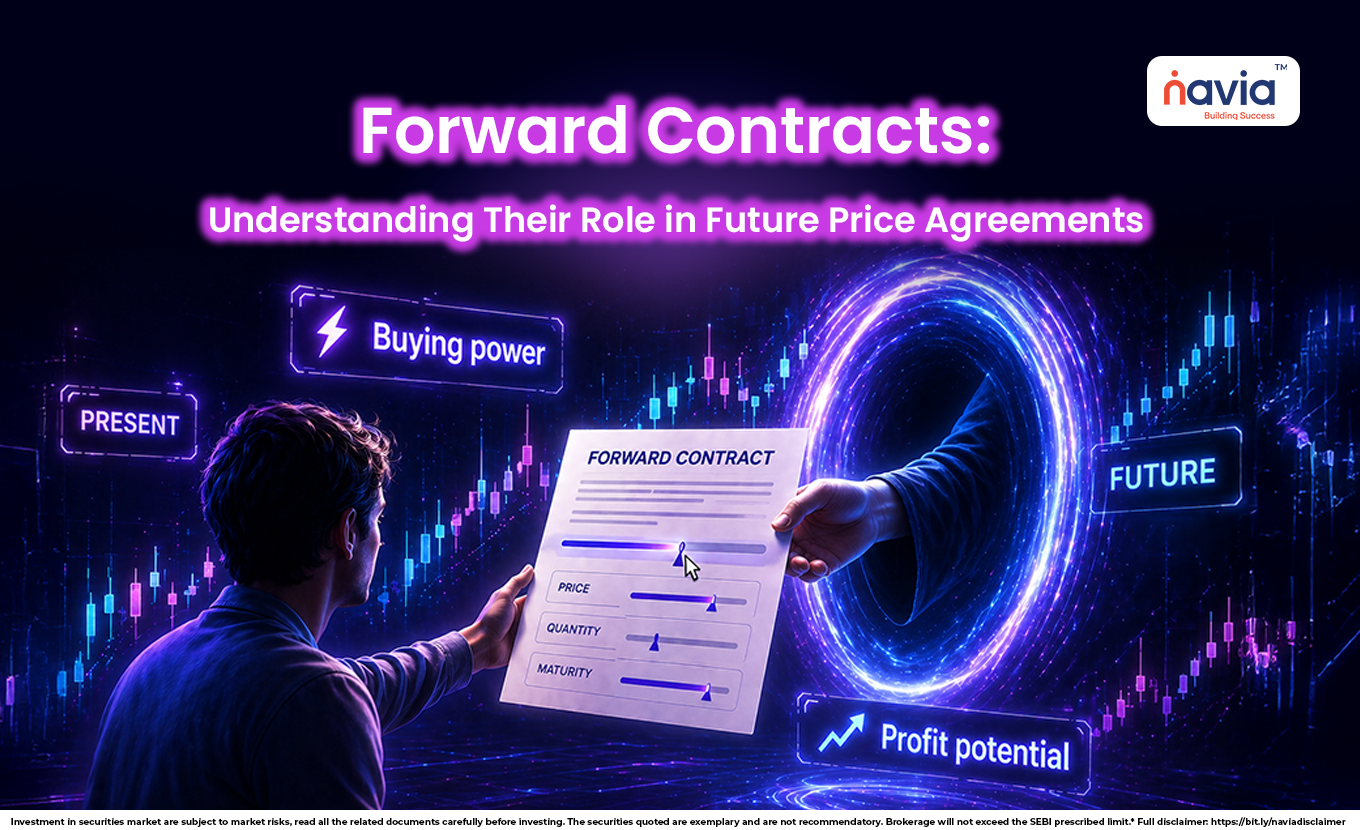
A forward contract is a private agreement between two parties to buy or sell an asset at a fixed price on a future date. It is commonly used to manage price risk, especially in currencies, commodities, and other financial assets.
In simple terms, the meaning of forward contracts is easy to remember you agree on the price today, but the actual transaction happens later. This makes it useful for planning and may help reduce uncertainty.
💡 Quick Answer
A forward contract is a private, customizable agreement between two parties to buy or sell an asset at a fixed price on a future date. It is mainly used to hedge price risk in currencies, commodities and other assets — you agree the price today, but the transaction happens later. Because there is no exchange or clearinghouse, both sides take on counterparty risk.
What is a Forward Contract?
If you are asking what is a forward contract, the answer is straightforward: it is a contract to agree today on a price for a future transaction. The agreement imposes an obligation on both parties, requiring them to complete the transaction on the agreed date.
Forward contracts are often used when a company wants to manage exposure to future price changes. For example, an importer may use a forward contract to fix an exchange rate for a future payment.
Types Of Forward Contracts
The types of forward contracts are usually grouped by the underlying asset or purpose. Common examples include:
- Currency forwards used to agree on exchange rates for future transactions.
- Commodity forwards, used for assets like oil, gold, or agricultural products.
- Interest rate forwards, used to manage interest rate exposure.
These types serve different needs, but the basic idea remains the same: the contract is used to manage exposure to future price movements.
How Forward Contracts Work?
A forward contract starts with two parties agreeing on the asset, price, and future settlement date. Once the contract is set, both parties are required to fulfil the terms as per the agreement when the date arrives.
For example, if a company expects to buy foreign currency in three months, it can use a forward contract to lock in the current exchange rate now. This may help manage the risk of price fluctuations if the currency becomes expensive later.
Key Features of Forward Contracts
Forward contracts have a few important features that make them different from standardized market contracts.
- They are customized, not standardized.
- They are privately arranged between two parties.
- They create a contractual obligation for both sides.
- They are often used for hedging and risk management.
These features make forwards practical, but they also carry some risk because there is no exchange or clearinghouse in the middle.
Why They Matter?
Forward contracts are important because they may help businesses and investors plan with greater clarity. By locking in a price now, they can help manage exposure to future market volatility.
That is why they are commonly used in risk management and hedging strategies. For anyone learning derivatives, understanding forwards is a useful first step.
Conclusion
A forward contract is a customized agreement to buy or sell an asset at a fixed price on a future date. The forward contracts definition is simple, but the concept is powerful because it may help manage uncertainty and future price risk.
So, when people ask what are forward contracts or what is a forward contract, the best answer is this: they are private, flexible contracts used to agree on future prices and manage exposure to market changes.
Key Takeaways
- A forward contract fixes a price today for an asset to be bought or sold on a future date.
- It is a private, customized (over-the-counter) agreement, not a standardized exchange-traded product.
- Common types include currency forwards, commodity forwards and interest-rate forwards.
- Both parties are obligated to complete the transaction on the agreed date.
- Forwards are mainly used for hedging and managing price risk, but they carry counterparty risk.
Did you find this article helpful?
Your feedback helps us write better content.
Frequently Asked Questions
What are forward contracts?
Forward contracts are private agreements to buy or sell an asset at a fixed price on a future date.
What are the types of forward contracts?
Common types include currency forwards, commodity forwards, and interest rate forwards.
Are forward contracts standardized?
No. They are usually customized to suit the needs of the two parties.
Why are forward contracts used?
They are commonly used for hedging and managing price risk.
What is the forward contracts definition?
It is an agreement where both parties commit to trade an asset at a specified price on a specific future date.
DISCLAIMER: Investment in securities market are subject to market risks, read all the related documents carefully before investing. The securities quoted are exemplary and are not recommendatory. Full disclaimer: https://bit.ly/naviadisclaimer.