

Understanding Market Volatility During Short Squeezes
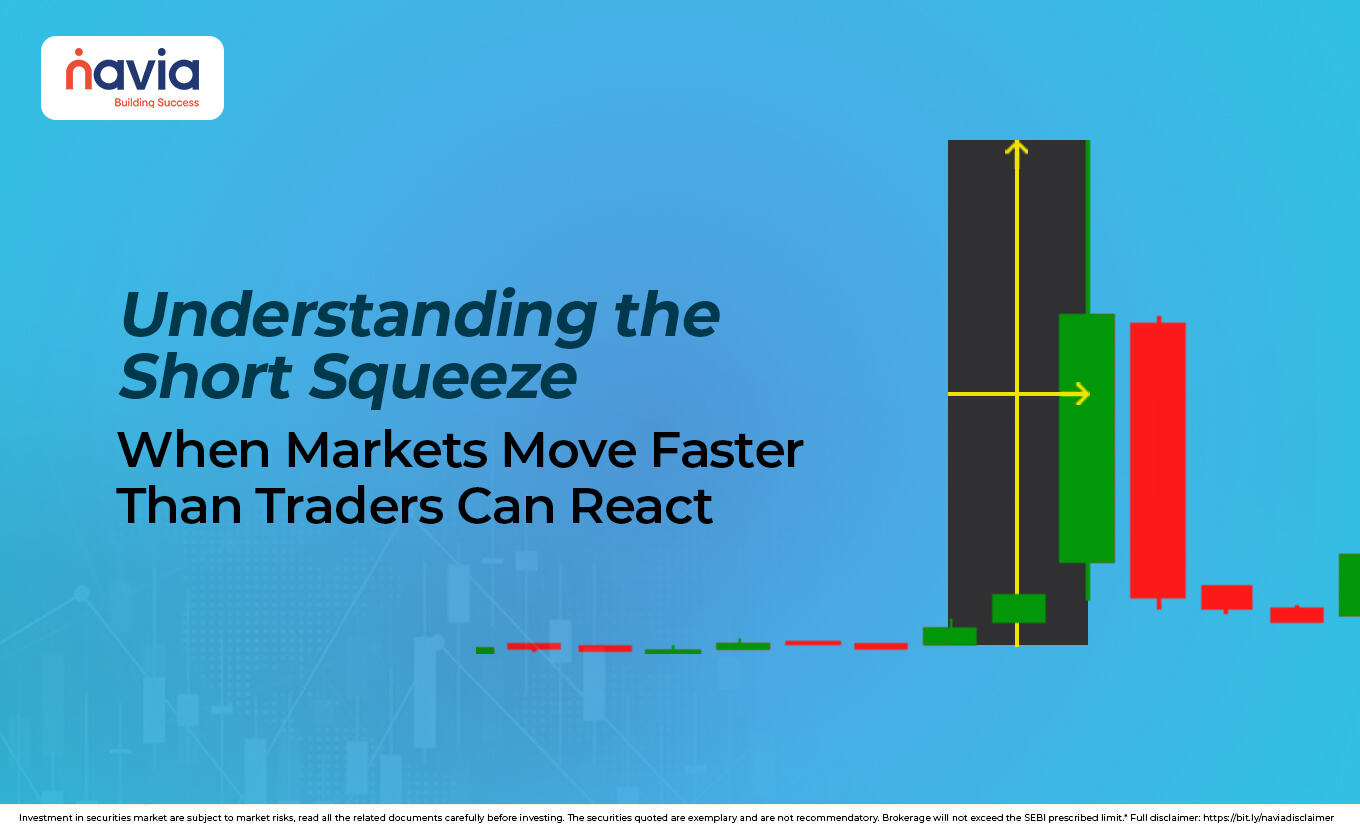
In the dynamic market environment of the stock market, social media trends and institutional algorithms are as volatile as a short squeeze. If you are a retail investor or professional trader, the sudden and vertical spike of a stock price can leave you either experiencing significant price movement.
But what exactly does a short squeeze mean, and why does it send shockwaves through the financial system? This guide will help you understand the mechanics, psychology, and risks of this market phenomenon.
💡 Quick Answer
A short squeeze is a rapid spike in a stock’s price that forces short sellers — traders who bet the price would fall — to buy shares back to limit their losses. That extra buying pushes the price even higher, creating a feedback loop that can drive the stock far above normal levels.
Short Squeeze Meaning: A Simple Definition
The short squeeze meaning refers to a market condition where a stock’s price increases rapidly, leading some traders who had bet against the stock to buy shares to close their positions. This collective rapid position unwinding further accelerates the price increase, creating a feedback loop that can drive a stock to elevated price levels.
To understand why this happens, you must understand short selling. When a trader shorts a stock, they borrow shares they don’t own, sell them at the current price, and hope to buy them back later at a lower price. When the price goes up instead of down, losses can increase significantly. As Charles Schwab points out, the higher the price goes, the more pressure short sellers feel to buy back the borrowed shares to manage their positions.
What Does a Short Squeeze Mean?
If we ask what a short squeeze mean for the average trader, probably the answer is high market volatility. The squeeze typically starts with a catalyst- perhaps a positive earnings report, a new product launch, or even a coordinated effort by retail investors on social media.
As the price ticks upward, short sellers reach their risk tolerance levels. Because they must buy shares to exit their trades, their buying adds more upward pressure to the stock. This is joined by “long” investors who buy in price movements. The result is a vertical price move that may not align with traditional technical patterns.
Difference Between Short Covering & Short Squeeze
Most people are confused about the difference between a squeeze and simple short covering. Actually, they are related, not identical, here is a simple table to understand each of them.
| Features | Short Covering | Short Squeeze |
|---|---|---|
| Definition | A routine purchase of shares to close an open short position | An explosive price surge that forces many short sellers to exit simultaneously |
| Nature of Action | Usually voluntary and planned | Often involuntary (forced by margin calls or panic) |
| Primary Trigger | Profit-taking or reaching a pre-set stop-loss | A sudden bullish catalyst (e.g., earnings beat, news, or low float) |
| Market Sentiment | Indicates a neutral or mildly bullish shift | Represents heightened market stress among short sellers |
| Predictability | Can be tracked via the declining Open Interest | Catches the market off-guard; hard to time perfectly |
| Trader Motivation | To realize gains or cut small losses gracefully | To avoid unlimited losses and significant financial losses |

Why Does a Short Squeeze Happen?
There are many technical factors must align for a short squeeze, some of them are given below;
| High Short Interest | This is the percentage of a company’s total shares that are currently held short. If 20% or more of the “float” is shorted, the stock may attract market attention. |
| Days to Cover (Short Ratio) | This is the total short interest divided by the average daily trading volume. If a stock has a “days to cover” ratio of 10, it means it would take ten full days of average trading for all short sellers to buy back their shares. A higher ratio indicates a higher potential for a squeeze. |
| Low Float | If a company has a small number of shares available for the public to trade, even a small increase in buying demand can cause a sharp price movement. |
| Borrowing Costs | Short sellers must pay interest to borrow shares. If the cost to borrow (the “rebate rate”) spikes, short sellers may be may choose to exit their positions simply because it has become too expensive to stay in the trade. |
What Drives the Psychology of a Short Squeeze?
The reason a short squeeze is so powerful is rooted in rapid market reaction. In a standard long trade, the most you can lose is 100% of your investment. In a short trade, just imagine the stock is going from ₹100 to ₹1,000; you have lost your initial capital many times.
When a squeeze begins, short sellers aren’t just looking for an exit; they are attempting to manage exposure. This panic creates the “squeeze” effect. Increased buying activity may contribute to upward movement; the higher the price goes, the more people must buy.
What Are the Risks of a Short Squeeze?
- Unlike buying a stock where your loss is capped at 100%, a short seller faces substantial risk exposure. Since a stock price can technically rise to any height, your losses can far exceed your initial capital.
- As more short sellers panic and buy shares to exit, they inadvertently drive the price higher. This forces even more sellers to buy, creating a “squeeze” that can lead to significant price fluctuations.
- In a severe squeeze, everyone wants to buy, and selling activity may reduce temporarily. This lack of liquidity means you might not be able to find any shares to buy to close your short position, even at elevated price levels.
- If you cannot find shares to return to your broker on time, you may face “Short Delivery” penalties. In Indian markets, this can trigger an exchange auction, where shares are bought on your behalf at a premium, with additional penalties of up to 20%.
- Identifying turning points of a squeeze is nearly impossible. Most investors who try to participate during volatile conditions end up entering during elevated price movement, right before the artificial demand disappears, and the price corrects sharply.
Conclusion
Understanding the short squeeze meaning is essential for any investor navigating the modern market. It is a reminder that stock prices are not just driven by earnings and balance sheets, but also by liquidity, positioning, and human psychology.
While a short squeeze can provide significant market events for certain market participants, it serves as a stark warning to those who underestimate the power of a momentum-driven market. By keeping an eye on short interest ratios and borrowing costs, you can better prepare yourself for these high-volatility market events.
Because squeezes are driven by forced buying and margin pressure, it helps to understand how margin trading (MTF) works and to use the right types of stock market orders — such as stop-losses — to manage risk in volatile conditions.
Did you find this article helpful?
Your feedback helps us write better content.
Key Takeaways
- A short squeeze is a rapid price spike that forces short sellers to buy back shares, fuelling an upward feedback loop.
- It usually needs high short interest, a high days-to-cover ratio, a low float, and a bullish catalyst to ignite.
- Short covering is voluntary and planned; a squeeze is often involuntary, driven by margin calls and panic.
- Losses on a short position are theoretically unlimited, so risk can far exceed the initial capital.
- Squeezes are short-lived and hard to time; most who chase them enter near the peak before a sharp correction.
- In India, failing to deliver shorted shares can trigger an exchange auction with penalties.
Frequently Asked Questions
What is a short squeeze?
A short squeeze is a rapid, unexpected surge in a stock price that forces short sellers (traders betting against the stock) to buy back shares to close their positions and limit losses. This mass buying creates a feedback loop: the shorter sellers buy to cover, the higher the price goes, which then forces even more short sellers to buy, driving the price into a rapid price increase.
Is short squeeze illegal?
No, a naturally occurring short squeeze is not illegal. It is considered a normal, albeit extreme, market event driven by supply and demand. However, it becomes illegal if it is the result of market manipulation. If individuals or groups intentionally spread false information, collude to corner the market, or use deceptive practices specifically to trigger a squeeze; they may be prosecuted by regulatory bodies like the SEBI.
Is short squeeze bullish or bearish?
A short squeeze is temporarily bullish but fundamentally driven by bearish sentiment.
✔ The Sentiment: Most people are “bearish” on stock, which is why it has a high short interest.
✔ The Price Action: The actual price movement is rapid upward movement, but this is often position-driven.
✔ The Outcome: Because the price jump is driven by short sellers panicking rather than a company’s actual growth, the stock often corrects downward once the squeeze ends.
How long do short squeezes last?
Short squeezes are typically short-lived, often lasting anywhere from a few days to a couple of weeks.
▶ Fast Squeezes: Some can peak and collapse within 2–3 trading sessions if the “float” (available shares) is very low.
▶ Prolonged Squeezes: If the “Days to Cover” ratio is high (e.g., 10+ days), it may take over a week for all short sellers to exit, extending the rally.
How to detect a short squeeze?
You can spot potential candidates by looking for a “perfect storm” of these three metrics:
◆ High Short Interest: Look for stocks where more than 20% of the float is sold short.
◆ High Days to Cover (DTC): This ratio (Short Interest ÷ Average Daily Volume) tells you how many days it would take for shorts to exit. A DTC of 8–10+ days is a commonly monitored indicator for a squeeze.
◆ A Bullish Catalyst: Look for a sudden price to move above a resistance level, often triggered by a positive earnings surprise or “viral” social media buzz.
DISCLAIMER: Investment in securities market are subject to market risks, read all the related documents carefully before investing. The securities quoted are exemplary and are not recommendatory. Full disclaimer: https://bit.ly/naviadisclaimer.