

Understanding the Impact of Zero Brokerage on Your Trading Performance
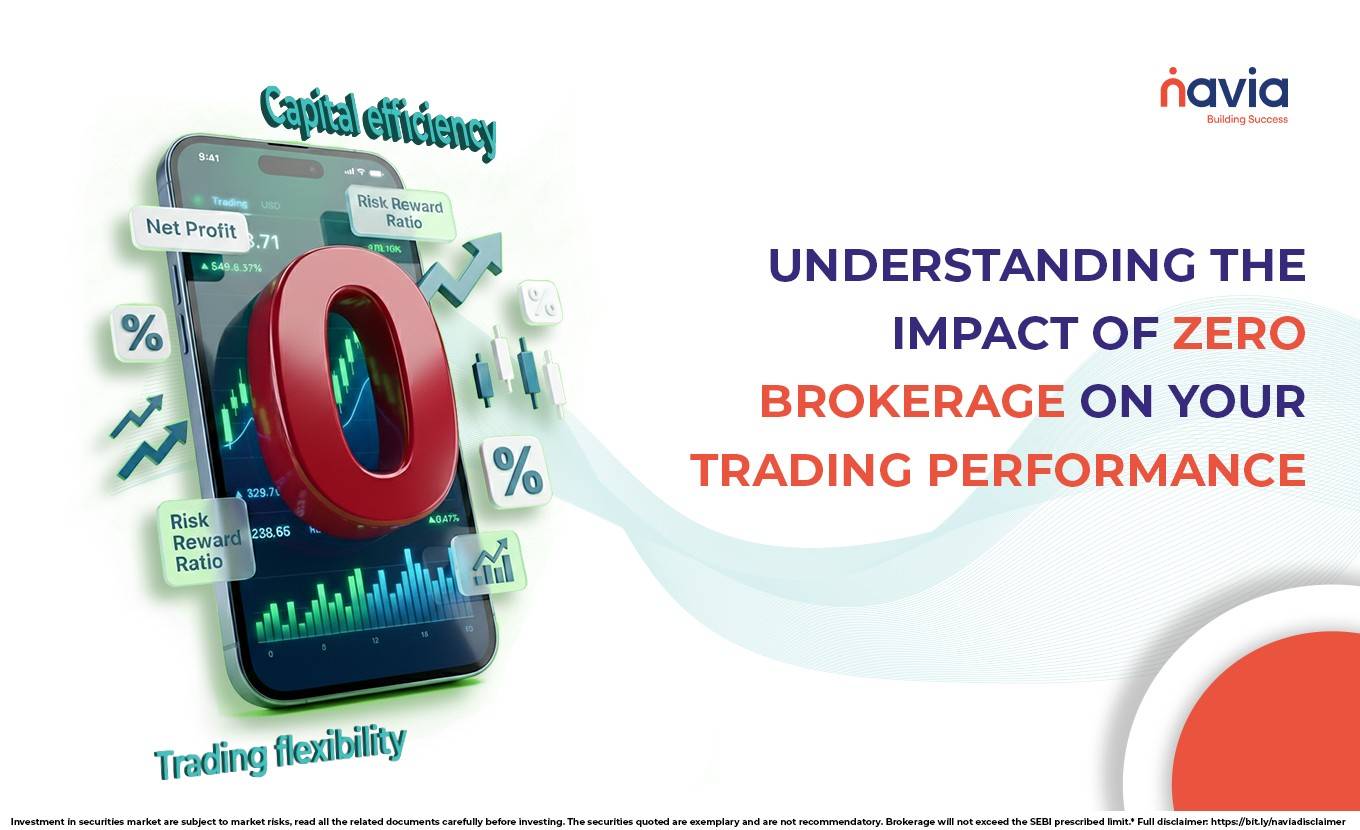
It’s because in the high-frequency environment of 2026, the difference between a successful month and a losing one often boils down to transaction costs. Just imagine that you are a scalper who executed 20 small trades a day, aiming for quick, consistent gains.
In a traditional setup, you might pay ₹20 in brokerage per trade, totaling ₹400 daily. Just calculate over a month you must pay ₹12,000; zero brokerage flips the script. The concept eliminates per-order brokerage charges, reducing transaction costs for active traders, allowing you to enter and exit the market with surgical precision and zero friction.
This blog will tell you about the advantages of zero brokerage trading accounts that help to make informed decisions.
💡 Quick Answer
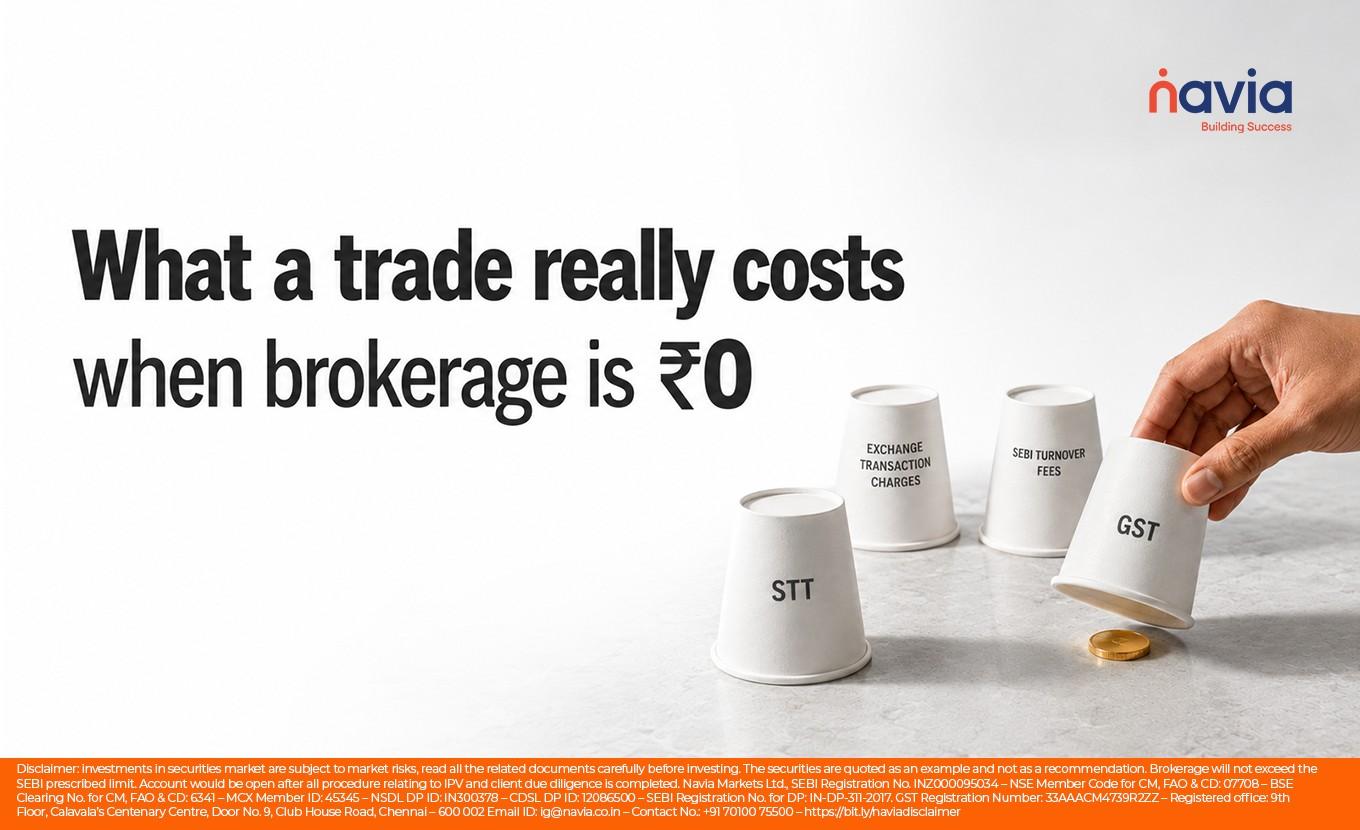
A zero-brokerage account removes the per-order commission you’d normally pay to trade, which lowers your break-even point, frees up multi-leg F&O strategies and helps small or high-frequency traders keep more of every move. It isn’t truly ‘free’ though — statutory costs like STT and exchange charges still apply.
Drastically Lower Break-Even Points
The most immediate advantage of a zero brokerage trading account is the impact on your break-even point. In a traditional model, a stock needs a significant cost to cover your entry and exit commissions — a brokerage calculator makes this easy to see. With zero brokerage charges you can trade with profit, and eliminates per-order brokerage charges, reducing transaction costs for active traders.
Unlimited Freedom for F&O Traders
If you trade derivatives (Futures and Options, F&O), you know that multi-leg strategies like Iron Condors or Butterflies can be expensive. So, using a zero brokerage f&o trading app means you can deploy complex, hedged strategies without worrying about the cumulative per-leg cost. Nowadays, zero brokerage option trading has become increasingly popular among retail participants, allowing traders to hedge their portfolios more effectively and manage risk without fear.
Empowerment for Small Capital Traders
Beginners who are starting with small amounts of trading, because they can only afford that. But higher brokerage charges may materially impact net returns for small capital traders. So, the zero brokerage trading app will allow them to practice “micro-trading”, which means buying small quantities of shares to learn market psychology before diving into the stock market world — especially with zero brokerage on equity delivery.
Error Correction Without Penalty
We all make mistakes, like entering the wrong quantity or strike price. If you are using a trading app with zero brokerage will help you exit an accidental position and re-enter the correct one without incurring additional brokerage on corrective trades to your broker. Otherwise, you will pay the amount that was decided by your broker.
Systematic Small Investments (SIPs)
If you want to prefer buying stocks in small quantities every week, the best option is SIPs, so if you choose a zero brokerage trading will help you save money. You can easily buy a single share from a high-priced stock without a brokerage fee that makes the transaction effectively.
Choosing the Best Platform
There are so many options available. Finding the best zero brokerage trading app requires the “zero” label. But before you commit, it helps to know what to check before opening a zero brokerage demat account. Ensure that the platform offers;
- 🔸 Stability: The app shouldn’t crash during high-volatility events
- 🔸 Speed: Instant order execution to catch the right price
- 🔸 Transparency: Clear dashboards that show you are paying zero hidden fees
Searching for the lowest brokerage trading app leads traders to realize that transaction cost is one of the important variables influencing net trading outcomes — and it pays to understand the full list of demat account charges.
Conclusion
The transition to zero brokerage trading app is more than just savings; it represents the freedom to trade your strategy without a middleman taking a cut. In the 2026 market landscape, cost efficiency can be a relevant factor in strategy evaluation and maximize their execution.
So, before deciding, understanding these factors can form part of a broader financial strategy when combined with disciplined risk management that you desire for a long time.
Key Takeaways
- Zero brokerage removes per-order commissions, lowering the break-even point on every trade.
- It benefits active/high-frequency traders, F&O strategists and small-capital beginners the most.
- You can correct order errors and run small SIPs without paying extra brokerage.
- “Zero brokerage” is not 100% free — STT, transaction and other statutory charges still apply.
- Choose a platform on stability, speed and transparency, not just the “zero” label.
Did you find this article helpful?
Your feedback helps us write better content.

Frequently Asked Questions
Is a “Zero Brokerage Trading App” really 100% free?
No, a “Zero Brokerage Trading App” is not 100% free. It will eliminate the brokerage commission fee, but there are other mandatory costs like STT, Transaction charges that will be there to pay.
Can I use a zero brokerage f&o trading app for intraday scalping?
Yes, using a zero-brokerage F&O trading app will be advantageous for intraday scalping, because that is removing commission costs that eats your profit.
Is a zero brokerage trading platform safe?
Yes, zero brokerage trading platforms are safe, because they are registered with with regulatory bodies like SEBI (in India) or equivalent authorities. And the security depends on the broker’s reputation, not just the fee structure.
DISCLAIMER: Investments in the securities market are subject to market risks, read all the related documents carefully before investing. The securities quoted are exemplary and are not recommendatory. Brokerage will not exceed the SEBI prescribed limit.