

Last Traded Price: Understanding Its Role in Stock Market
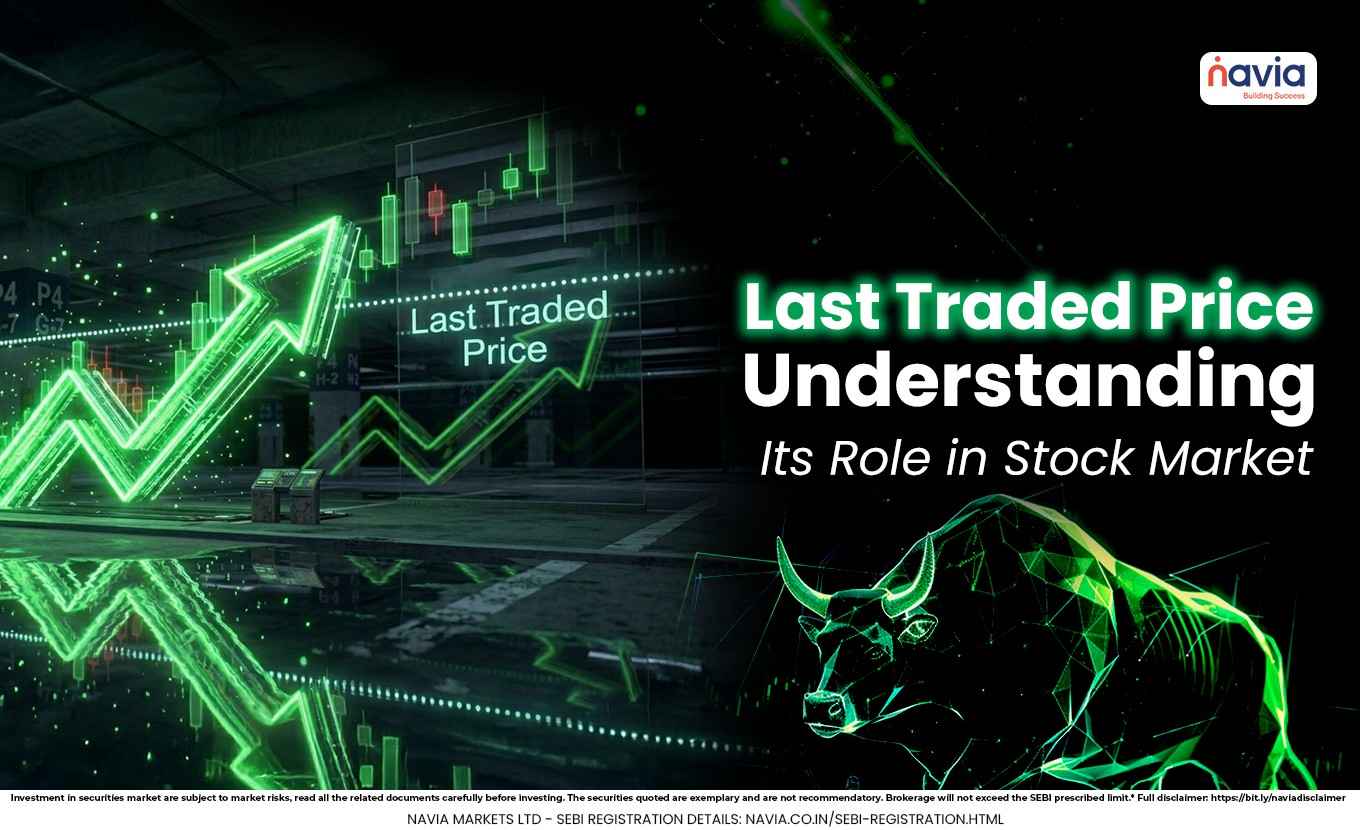
Last Traded Price (LTP) in the stock market is one of the most basic terms and is commonly understood by traders and investors. It tells you the latest price at which a stock was traded and provides a reference to recent market activity at that moment.
If you are searching for what is LTP in stock market, the simple answer is this: it is the most recent transaction price of a stock, and it changes whenever a new trade happens.
💡 Quick Answer
LTP, or Last Traded Price, is the price at which a stock was most recently bought or sold on the exchange. It updates in real time with every new trade, so traders use it as a live reference point — though it should be read alongside volume and the bid-ask spread, not on its own.
What is LTP?
The LTP full form in share market is Last Traded Price. In simple terms, it means the price at which a share was last bought or sold on the exchange. So, when people ask about the meaning of LTP in share market, they are really asking for the latest traded value of that stock. It is a real-time market value that keeps moving during trading hours.
In simple terms, LTP in stock market means the latest price seen on the trading screen, not necessarily the price you will get if you place an order right now. It reflects the last completed deal between a buyer and a seller. And it is commonly used by intraday traders who need a real-time reference point before entering or exiting a trade.
Why LTP Matters?
LTP may help investors observe recent price movement during the day. If the price changes often, it may indicate active trading, higher interest, or changing market sentiment.
It is also used as a benchmark when placing buy or sell orders. For many traders, watching LTP alongside volume and bid-ask prices may be used to assess price movement along with other indicators.

LTP And Market Behavior
A rising LTP may indicate higher recent traded prices for the stock, while a falling LTP may reflect lower recent traded prices. However, LTP alone does not tell the full story because it only shows the most recent trade, not the overall trading trend.
That is why experienced traders often compare LTP with other indicators such as volume, average traded price, and recent price movement. Used this way, LTP becomes an essential tool for market analysis rather than just a number on the screen.
Example
Suppose a stock last traded at Rs. 250, that Rs. 250 is its LTP at that moment. If another trade happens at Rs. 252, the LTP changes to Rs. 252, immediately.
This is why the ltp in stock market is always changing during market hours. It is a live reflection of the most recent completed transaction.
Conclusion
To sum it up, the meaning of LTP in share market is simply the last traded price of a stock. If you are looking for what is LTP in stock market or LTP full form in share market, the answer is Last Traded Price, and it shows the most recent price at which the stock changed hands.
Understanding LTP in stock market, it may help in understanding trading screens and follow live price movement with better clarity. It is a small term, but it is commonly used in trading activity and investing.
Key Takeaways
- LTP stands for Last Traded Price — the most recent price at which a stock was bought or sold.
- It changes in real time whenever a new trade is executed during market hours.
- LTP is a reference point for placing orders, not necessarily the price your order will fill at.
- A rising LTP reflects higher recent traded prices; a falling LTP reflects lower ones.
- Read LTP together with volume, average traded price and the bid-ask spread for a fuller picture.
Do You Find This Interesting?
We’d Love to Hear from you-

Frequently Asked Questions
What is LTP in stock market?
LTP is the last traded price of a stock, meaning the most recent price at which it was bought or sold.
What is the full form of LTP in share market?
The full form of LTP in share market is Last Traded Price.
Is LTP the same as current price?
LTP shows the most recent trade price, which is often used as the current market reference, but it is still only the last completed trade.
Can I use LTP alone for trading decisions?
No. LTP is useful, but it should be used along with volume, price trend, and other market data.
Why is LTP important?
It provides a reference to recent traded price and what the latest market value is.
DISCLAIMER: Investment in securities market are subject to market risks, read all the related documents carefully before investing. The securities quoted are exemplary and are not recommendatory. Full disclaimer: https://bit.ly/naviadisclaimer.