

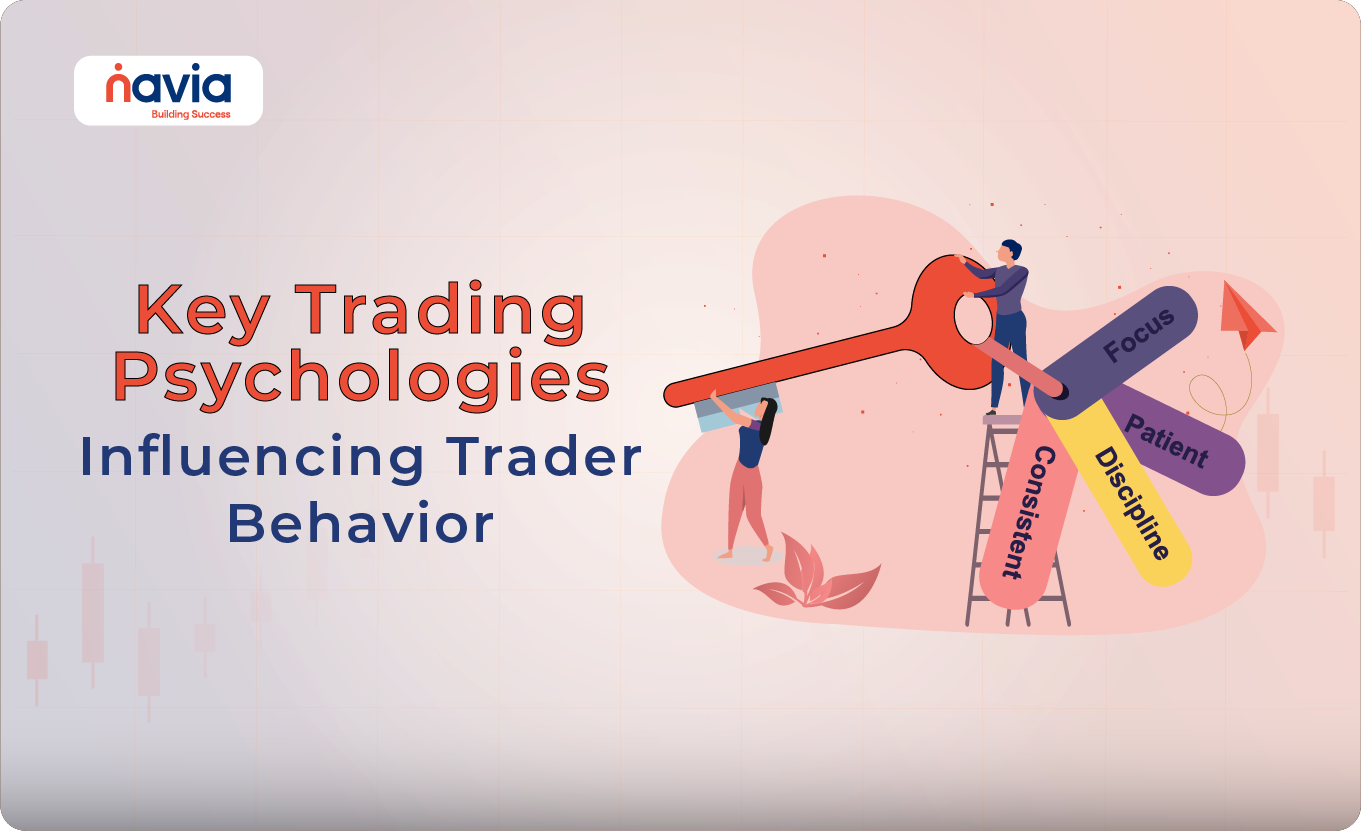
Key Trading Psychologies Influencing Trader Behavior
- 1. Fear
- Behavioral Impact:
- 2. Greed
- Behavioral Impact:
- 3. Overconfidence
- Behavioral Impact:
- 4. Impulsiveness
- Behavioral Impact:
- 5. Loss Aversion
- Behavioral Impact:
- 6. Confirmation Bias
- Behavioral Impact:
- 7. Regret Aversion
- Behavioral Impact:
- 8. Herd Mentality
- Behavioral Impact:
- 9. Revenge Trading
- Behavioral Impact:
- 10. Hope and Despair Cycle
- Behavioral Impact:
- Conclusion
- Frequently Asked Questions
Trading Psychologies involves understanding the emotional and mental factors that impact trading decisions. Recognizing these psychological aspects can help traders build discipline, manage risks, and achieve consistent profitability. Here are the major trading psychologies that shape general trading behavior.
💡 Quick Answer
Ten psychological patterns shape trader behavior: fear, greed, overconfidence, impulsiveness, loss aversion, confirmation bias, regret aversion, herd mentality, revenge trading and the hope and despair cycle. Each shows up as a specific behavior, such as closing trades too early or averaging down on losing positions, and each has a practical management rule.
1. Fear
What It Is:
Fear arises when traders worry about potential losses. It can cause premature exits or prevent entering potentially profitable trades.
Behavioral Impact:
- Closing trades too early to avoid losses.
- Hesitating to enter the market even when good opportunities arise.
How to Manage:
- Use pre-set stop-loss and take-profit levels.
- Stick to a trading plan with calculated risk.
2. Greed
What It Is:
Greed occurs when traders push for bigger profits, ignoring risks and over-leveraging positions.
Behavioral Impact:
- Holding on to winning trades too long.
- Ignoring exit signals in pursuit of larger gains.
How to Manage:
- Set realistic profit targets.
- Use trailing stop-loss to lock in gains.
3. Overconfidence
What It Is:
Overconfidence develops after a series of winning trades, leading traders to take unnecessary risks.
Behavioral Impact:
- Placing oversized trades.
- Ignoring risk management protocols.
How to Manage:
- Stick to position-sizing rules.
- Review previous trades objectively, including losses.
4. Impulsiveness
What It Is:
Impulsiveness involves making snap decisions without following a trading strategy or plan.
Behavioral Impact:
- Taking trades based on gut feelings.
- Ignoring pre-set entry and exit criteria.
How to Manage:
- Follow a well-defined trading checklist.
- Avoid trading during emotional or stressful periods.
5. Loss Aversion
What It Is:
Loss aversion means feeling the pain of losses more intensely than the pleasure of equivalent gains.
Behavioral Impact:
- Refusing to cut losses, hoping for a reversal.
- Averaging down on losing positions.
How to Manage:
- Use stop-loss orders consistently.
- Accept that losses are part of trading
6. Confirmation Bias
What It Is:
Confirmation bias involves seeking out information that supports existing beliefs or trade positions.
Behavioral Impact:
- Ignoring contradictory market data.
- Overlooking signals that indicate trade reversals.
How to Manage:
- Stay open to alternative market perspectives.
- Regularly review trades with a neutral mindset.
7. Regret Aversion
What It Is:
Traders avoid taking action for fear of future regret if the trade goes wrong.
Behavioral Impact:
- Missing trading opportunities.
- Overanalyzing trades, leading to paralysis by analysis.
How to Manage:
- Accept that no trader can be right all the time.
- Focus on executing trades based on probabilities.
8. Herd Mentality
What It Is:
Herd mentality occurs when traders follow the majority without conducting independent analysis.
Behavioral Impact:
- Joining trades just because others are doing so.
- Buying into market hype or selling during panic sell-offs.
How to Manage:
- Conduct personal market analysis.
- Trust your trading strategy, even if it contradicts market sentiment.
9. Revenge Trading
What It Is:
Revenge trading happens when traders try to recover previous losses through aggressive trading.
Behavioral Impact:
- Placing emotionally driven trades.
- Over-leveraging and ignoring risks.
How to Manage:
- Take breaks after significant losses.
- Follow a structured risk management plan.
10. Hope and Despair Cycle
What It Is:
Hope makes traders hold on to losing trades, while despair causes panic-driven exits from profitable trades.
Behavioral Impact:
- Letting losses run while cutting profits short.
- Holding losing trades too long, hoping for recovery.
How to Manage:
- Use stop-loss and take-profit levels.
- Avoid emotional attachment to trades.

Conclusion
Successful trading goes beyond strategy and market analysis—it requires mastering trading psychology. Recognizing these psychological patterns can help traders stay disciplined, make rational decisions, and improve overall trading performance.
Key Takeaways
- Fear causes premature exits and hesitation to enter; pre-set stop-loss and take-profit levels counter it.
- Greed shows up as holding winning trades too long and ignoring exit signals; realistic profit targets and trailing stop-losses counter it.
- Overconfidence develops after a series of winning trades and leads to oversized positions; position-sizing rules counter it.
- Loss aversion means feeling the pain of losses more intensely than the pleasure of equivalent gains, producing refusal to cut losses and averaging down.
- Herd mentality and confirmation bias both replace independent analysis; reviewing trades with a neutral mindset counters them.
- Revenge trading after a significant loss is managed by taking breaks and following a structured risk management plan.
Did you find this article helpful?
Your feedback helps us write better content.
Frequently Asked Questions
What is trading psychology?
Trading psychology involves understanding the emotional and mental factors that impact trading decisions. Recognizing these psychological aspects can help traders build discipline, manage risks, and achieve consistent profitability.
How does fear affect trading decisions?
Fear arises when traders worry about potential losses. It can cause premature exits or prevent entering potentially profitable trades, showing up as closing trades too early and hesitating to enter the market even when good opportunities arise.
What is loss aversion in trading?
Loss aversion means feeling the pain of losses more intensely than the pleasure of equivalent gains. It shows up as refusing to cut losses while hoping for a reversal, and averaging down on losing positions.
How do I manage overconfidence after a winning streak?
Stick to position-sizing rules and review previous trades objectively, including losses. Overconfidence develops after a series of winning trades, leading traders to take unnecessary risks such as placing oversized trades.
What is revenge trading?
Revenge trading happens when traders try to recover previous losses through aggressive trading, producing emotionally driven trades and over-leveraging. Taking breaks after significant losses and following a structured risk management plan help manage it.
How can I avoid following the herd?
Conduct personal market analysis and trust your trading strategy, even if it contradicts market sentiment. Herd mentality occurs when traders follow the majority without conducting independent analysis.
DISCLAIMER: Investments in the securities market are subject to market risks, read all the related documents carefully before investing. The securities quoted are exemplary and are not recommendatory. Brokerage will not exceed the SEBI prescribed limit. Full disclaimer: https://bit.ly/naviadisclaimer