

Specialized Investment Funds: Simplifying Mutual Fund Investing

- Key Features
- Key Investment Limits
- 1. Tailored for Accredited Investors
- 2. Flexibility in Investment Strategies
- 3. Diversified Permissible Investments
- 4. Enhanced Risk Mitigation
- 5. Professional Fund Management
- 6. Cost Efficiency and Fee Transparency
- 7. Bridging Mutual Funds and Alternative Investment Funds (AIFs)
- 8. Who Should Invest in SIFs?
- 9. Implications for the Mutual Fund Industry
- 10. Global Comparison: Specialized Funds
- Conclusion
- Frequently Asked Questions
SEBI (Securities and Exchange Board of India) has introduced Specialized Investment Funds (SIFs) to offer targeted and tailored investment opportunities while maintaining simplicity.
💡 Quick Answer
Specialized Investment Funds are a SEBI category that sits between mutual funds and Alternative Investment Funds. They require a minimum commitment of ₹10 lakh across all strategies, which does not apply to accredited investors, and they follow mutual fund fee rules while allowing open-ended, close-ended or interval structures.
Key Features
| Feature | Details |
|---|---|
| Minimum Investment | Investors must commit at least ₹10 lakh across all investment strategies. This limit does not apply to accredited investors. |
| Fund Manager Certification | Fund managers must hold relevant certifications as specified by SEBI. |
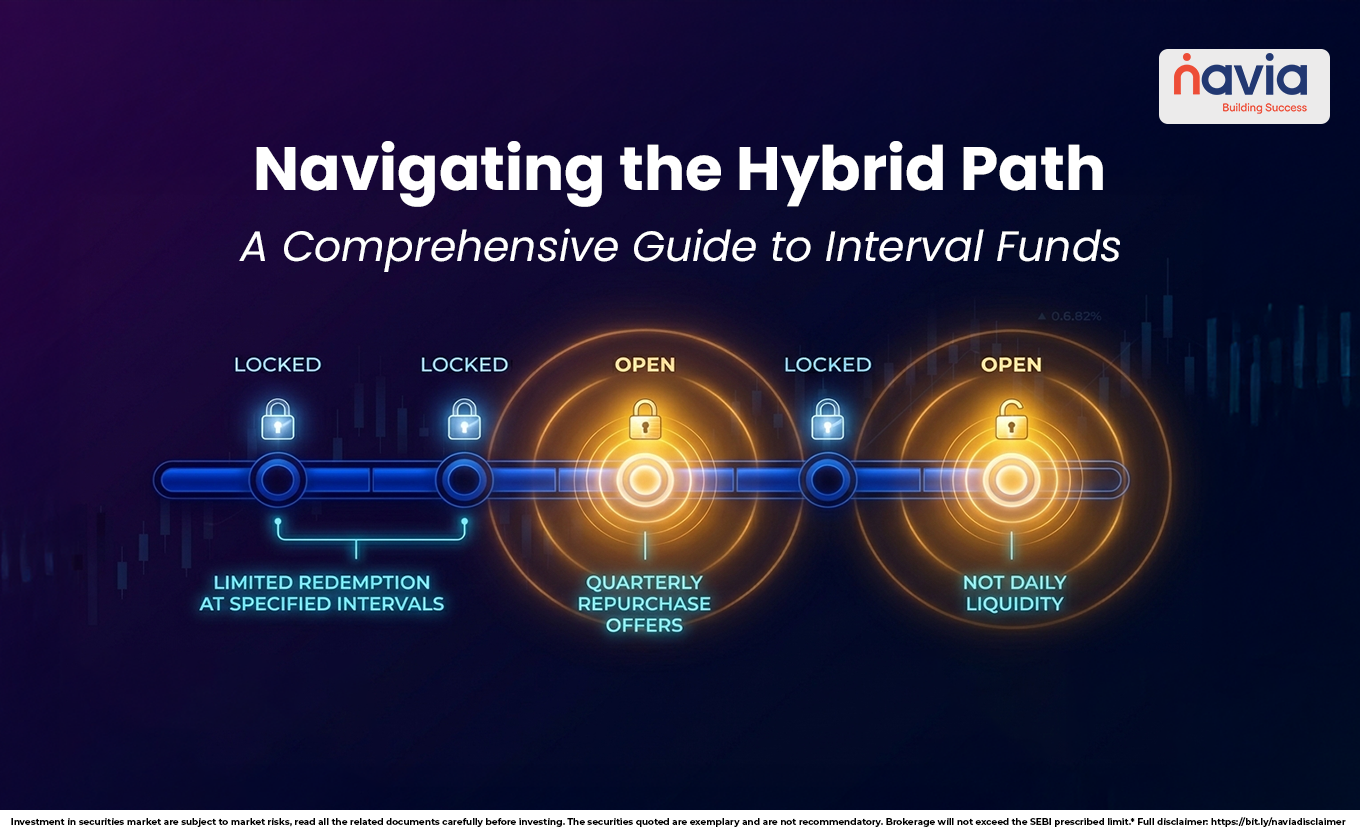
| Investment Strategies | SIFs can launch open-ended, close-ended, or interval-based strategies with clear redemption terms disclosed upfront. |
| Fee Structure | Fees and expenses must align with existing mutual fund regulations. |
Key Investment Limits
| Category | Limit |
|---|---|
| Debt Instruments | Max 20% of NAV per issuer, extendable to 25% with trustee and board approval. |
| Equity | Max 10% of NAV in any single company’s equity or related instruments. |
| REITs and InvITs | Max 20% of NAV in units of REITs or InvITs; Max 10% per single issuer. |
| Voting Rights in Companies | SIFs under all strategies cannot hold more than 15% of a company’s voting rights, inclusive of mutual fund limits. |
1. Tailored for Accredited Investors
- SIFs allow mutual funds to target accredited investors with specific strategies, such as niche asset classes, sector-focused funds, or customized risk profiles.
- Minimum investment requirement: ₹10 lakh, exempted for accredited investors.
- Significance: Caters to HNIs, institutional investors, and those seeking differentiated investment opportunities.
2. Flexibility in Investment Strategies
- SIFs can launch open-ended, close-ended, or interval funds, offering flexibility to adapt to diverse investment needs.
- Custom subscription and redemption frequencies provide tailored liquidity options for investors.
3. Diversified Permissible Investments
- SIFs can invest in:
- Traditional Assets: Equity, debt instruments, government securities, treasury bills.
- Alternative Assets: Real Estate Investment Trusts (REITs), Infrastructure Investment Trusts (InvITs).
- Allows up to 20% NAV in REITs/InvITs (with a 10% cap per issuer), fostering diversification.
4. Enhanced Risk Mitigation
- Strict investment restrictions reduce concentration risk:
- Max 20% of NAV in debt instruments from a single issuer.
- Max 15% ownership of a company’s voting capital across all SIF strategies.
- Max 10% of NAV in a single equity stock.
- Encourages robust portfolio diversification and risk management.
5. Professional Fund Management
- Fund managers of SIFs are required to hold relevant NISM certifications, ensuring high levels of expertise.
- Specialized strategies allow managers to leverage their expertise in niche domains, such as emerging markets or ESG investments.
6. Cost Efficiency and Fee Transparency
- SIFs follow the standard fee and expense regulations for mutual funds, providing cost clarity.
- Example: Expense ratios are aligned with SEBI’s mutual fund guidelines, ensuring investors pay fair fees for specialized services.
7. Bridging Mutual Funds and Alternative Investment Funds (AIFs)
- SIFs bridge the gap between traditional mutual funds and alternative investments by offering:
- Higher entry thresholds for niche investments.
- Similar flexibility and targeted strategies as AIFs.
- Comparison:
| Aspect | Specialized Investment Funds (SIFs) | Alternative Investment Funds (AIFs) |
|---|---|---|
| Regulatory Body | SEBI (MF regulations) | SEBI (AIF regulations) |
| Minimum Investment | ₹10 lakh | ₹1 crore |
| Target Investors | Accredited & Retail Investors | HNIs, Institutional Investors |
| Investment Instruments | Equity, Debt, REITs, InvITs | Private Equity, Venture Capital, Real Assets |
8. Who Should Invest in SIFs?
- Investors looking for:
- Higher diversification with niche products.
- Customized risk-return profiles.
- Access to alternative asset classes under the mutual fund framework.
- SIFs are ideal for HNIs, corporates, and experienced investors who want diversification beyond traditional mutual funds.
9. Implications for the Mutual Fund Industry
- Introduction of SIFs could:
- Expand the investor base: Attract HNIs and institutional investors seeking niche strategies.
- Encourage innovation: Fund houses can experiment with differentiated strategies.
- Enhance competition: Drive fund managers to specialize and improve offerings.
10. Global Comparison: Specialized Funds
- Similar concepts exist in global markets:
- US: Hedge funds and private equity funds target accredited investors.
- Europe: Specialized UCITS funds allow high customization.
- Asia: Targeted sectoral and ESG strategies are gaining popularity.

Conclusion
Specialized Investment Funds offer a hybrid solution between mutual funds and AIFs, combining transparency and accessibility with niche investment opportunities. They represent a growing trend in the financial markets, catering to sophisticated investors seeking high customization and better diversification.
Key Takeaways
- Specialized Investment Funds (SIFs) are a SEBI category offering targeted strategies inside the mutual fund framework.
- Investors must commit at least ₹10 lakh across all investment strategies; this limit does not apply to accredited investors.
- Concentration limits cap debt at 20% of NAV per issuer (25% with trustee and board approval), equity at 10% of NAV per company, and REITs or InvITs at 20% of NAV.
- SIFs under all strategies cannot hold more than 15% of a company’s voting rights.
- Fees and expenses must align with existing mutual fund regulations, and fund managers must hold the certifications SEBI specifies.
Frequently Asked Questions
What is a Specialized Investment Fund (SIF)?
SEBI has introduced Specialized Investment Funds to offer targeted and tailored investment opportunities while maintaining simplicity. They bridge the gap between traditional mutual funds and alternative investments by offering higher entry thresholds for niche investments with flexibility and targeted strategies similar to AIFs.
What is the minimum investment in a SIF?
Investors must commit at least ₹10 lakh across all investment strategies. This limit does not apply to accredited investors.
What can a Specialized Investment Fund invest in?
SIFs can invest in traditional assets such as equity, debt instruments, government securities and treasury bills, and in alternative assets such as Real Estate Investment Trusts (REITs) and Infrastructure Investment Trusts (InvITs).
What are the investment limits for SIFs?
Debt instruments are capped at 20% of NAV per issuer, extendable to 25% with trustee and board approval. Equity is capped at 10% of NAV in any single company. REITs and InvITs are capped at 20% of NAV with a maximum of 10% per issuer, and SIFs cannot hold more than 15% of a company’s voting rights.
How do SIFs differ from Alternative Investment Funds?
SIFs are regulated under mutual fund regulations with a ₹10 lakh minimum and target accredited and retail investors, investing in equity, debt, REITs and InvITs. AIFs are regulated under AIF regulations with a ₹1 crore minimum, target HNIs and institutional investors, and invest in private equity, venture capital and real assets.
Who should invest in SIFs?
SIFs suit investors looking for higher diversification with niche products, customised risk-return profiles, and access to alternative asset classes under the mutual fund framework. They are aimed at HNIs, corporates and experienced investors.
Did you find this article helpful?
Your feedback helps us write better content.

DISCLAIMER: Investments in the securities market are subject to market risks, read all the related documents carefully before investing. The securities quoted are exemplary and are not recommendatory. Brokerage will not exceed the SEBI prescribed limit. Full disclaimer: https://bit.ly/naviadisclaimer