

Expense Ratios Explained: Their Role in Long-Term ETF Performance
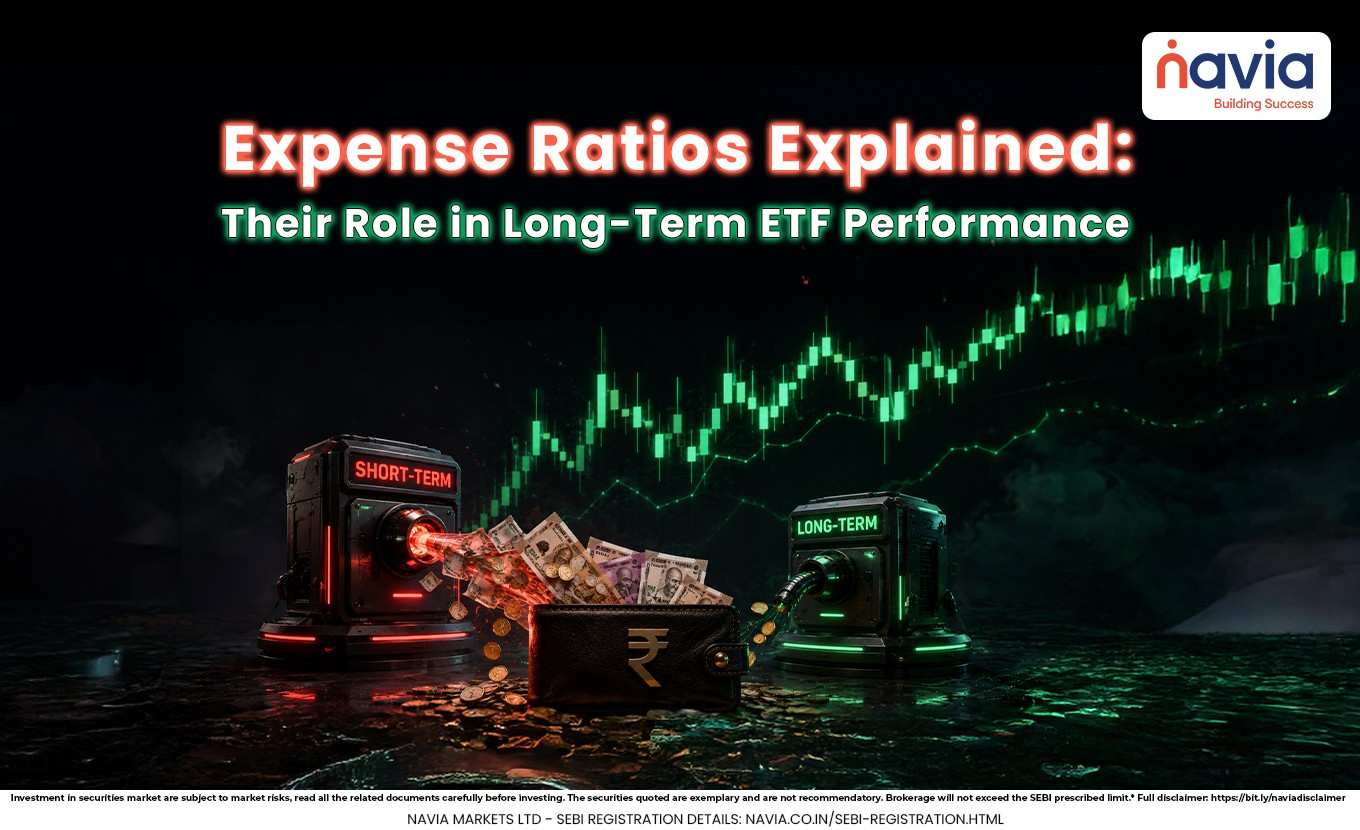
Expense ratios may look small on paper, but they can influence long-term Exchange-Traded Fund (ETF) performance over time because the fee is deducted from the fund’s assets and lowers the return investors receive. For readers asking are ETFs good for long term, the answer depends not only on the index or fund choice, but also on how much the ETF charges each year.
This is why understanding how expense ratio affect returns matters for anyone building a long term ETF investment strategy. A lower-cost fund may result in lower deductions from fund assets, particularly over longer holding periods rather than months.
💡 Quick Answer
Expense ratios quietly shape what you actually keep from an Exchange-Traded Fund: because the fee is deducted from fund assets every year, even a modest charge compounds into a real drag on long-term returns. Choosing a lower-cost ETF that still tracks the right index is one of the simplest ways to let more of the market’s return reach your portfolio.
What is an Expense Ratio?
An expense ratio is the annual cost of owning a fund, usually shown as a percentage of assets. It covers management and operating expenses, and it is taken before the return reaches the investor.
That means two ETFs can track the same index but still deliver different net results if their expense ratios differ. Even a small gap can matter when compounding is involved.
Why Small Fees Matter?
The key reason how expense ratio impact on returns is important is compounding. A tiny annual fee may not feel large in year one, but over ten, fifteen, or twenty years it can reduce the value of the ending portfolio substantially.
For example, if two ETFs generate the same gross return, but one charges more, the lower-cost ETF usually leaves the investor with a different net performance over time. That difference becomes more visible as the investment grows.
Long-Term ETF Returns
When investors search for average ETF return per year, they are often trying to estimate what they might earn from an ETF over a long holding period. But the actual return an investor receives is the gross market return minus fees and other fund costs. Understanding how an ETF is priced against its net asset value (NAV) and fair value also helps explain the return you finally capture.
This is why long-term ETF returns should always be studied after fees, not before. An ETF that tracks a strong index can still show lower net performance as if its expense ratio is meaningfully higher.
Are ETFs Good for Long Term?
Many investors use ETFs for long-term investing because they offer diversification, transparency, and simple access to markets. So, in that sense, it depends on investment objectives and fund selection, provided the investor selects an ETF aligned with their objectives.
A long-term ETF investor should focus on the index being tracked, the fund structure, and the fee level. Low fees do not guarantee success, but they do affect net returns, so that more of the market return is reflected in net returns.

Example
Suppose two ETFs track the same index, and both earn the same market return before fees. One charges 0.10% and the other charges 0.80%.
At first, the difference may look tiny. But after many years, the lower-cost ETF can show a different ending value because annual deductions differ each year. This is the practical effect behind how expense ratio affect returns.
Common ETF Evaluation Factors
If you are comparing ETFs for the long term, use these checks:
- Track record of the index
- Expense ratio
- Tracking difference
- Liquidity and fund size
- Tax and platform costs where relevant
This kind of checklist helps investors evaluate focusing only on headline returns. The fee may be small, but over long horizons it is one factor commonly considered influencing net performance. The same checks apply whether you are weighing broad-index funds or thematic ETFs such as GoldBeES, SilverBeES, or PharmaBeES.
Conclusion
Expense ratios play a meaningful role in shaping long term ETF returns. Even when two funds track the same market, the lower-cost funds may show different net results of the gross return because less is deducted each year.
For anyone building a long-term ETF investment strategy, one practical takeaway is: low fees matter, but they should be evaluated alongside index choice, tracking quality, and portfolio fit. That is the most practical way to understand how expense ratio impact on returns over time.
Key Takeaways
- An expense ratio is the annual fee a fund charges, taken from its assets before returns reach you.
- Because the fee is charged every year, its drag compounds and grows over long holding periods.
- Two ETFs tracking the same index can deliver different net results purely because of cost differences.
- Judge long-term ETF returns after fees, not on headline gross numbers.
- Weigh the expense ratio alongside index quality, tracking difference, liquidity, and fund size.
Did you find this article helpful?
Your feedback helps us write better content.

Frequently Asked Questions
What is the expense ratio?
It is the annual fee charged by a fund, expressed as a percentage of assets, and deducted from returns.
How does expense ratio affect returns?
It reduces the investor’s net return, and the effect becomes more visible over long periods because of compounding.
Are ETFs good for the long term?
They can be, especially when they are diversified and low-cost.
What should investors compare to expense ratio?
They should compare the index, tracking difference, liquidity, fund size, and overall risk.
What is the average ETF return per year?
It varies by ETF and market conditions, so investors should study historical returns after fees rather than assume a fixed number.
DISCLAIMER: Investment in securities market are subject to market risks, read all the related documents carefully before investing. The securities quoted are exemplary and are not recommendatory. Full disclaimer: https://bit.ly/naviadisclaimer.