

Commodity Trading: Unlocking the Secrets to a Profitable Market
- What Does Commodity Trading Mean?
- Why Do Commodity Prices Fluctuate?
- Key Components of the Commodity Market
- 1. Types of Commodities
- 2. Who Participates in the Market?
- 3. What Influences Prices?
- India’s Top Commodity Exchanges
- How to Start Commodity Trading?
- Why Should You Trade Commodities?
- Challenges in Commodity Trading
- Essential Tips for Commodity Trading in India
- Final Thoughts
- Frequently Asked Questions
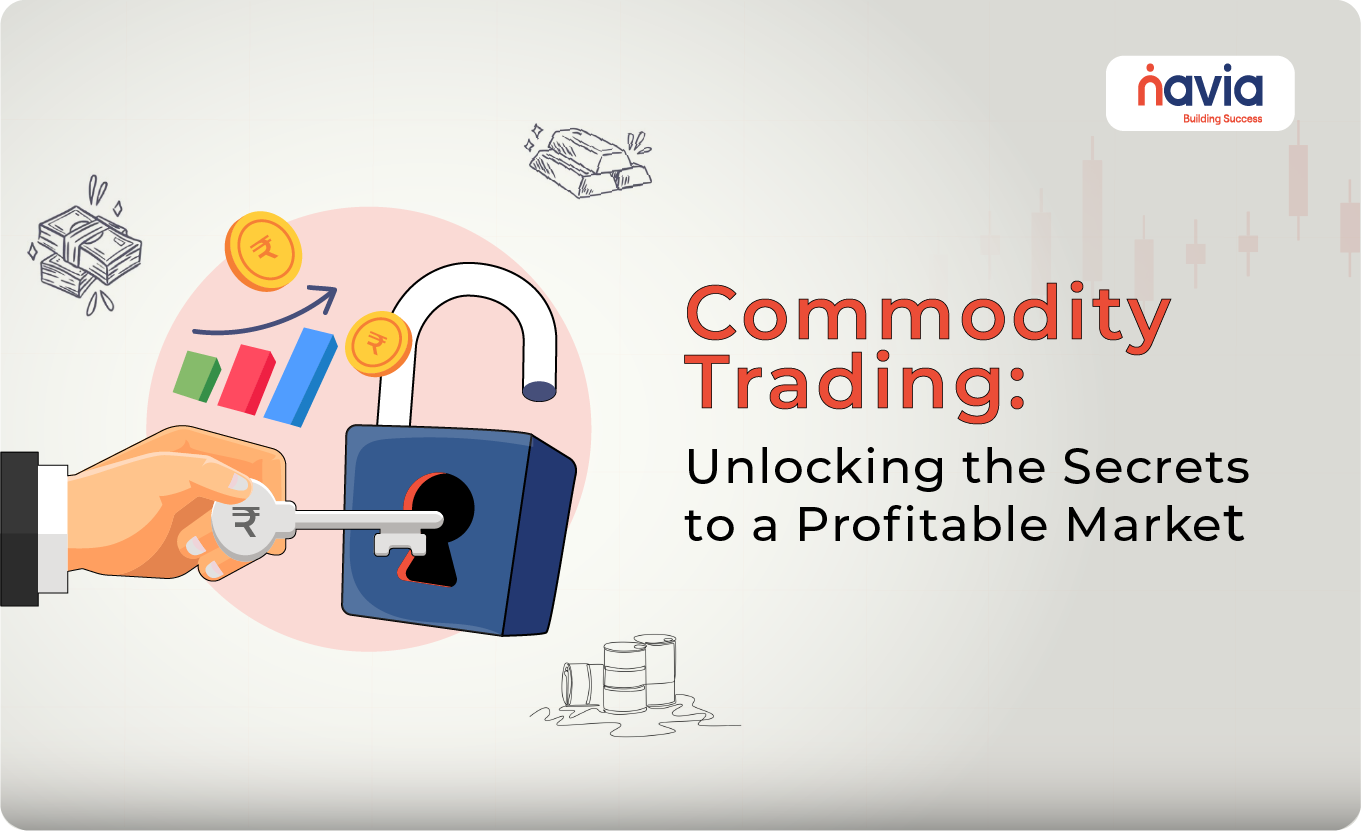
Commodity trading is more than just buying and selling raw materials—it’s a gateway to financial growth and investment opportunities!
Whether you’re interested in gold, crude oil, wheat, or metals, commodity trading offers exciting possibilities to hedge against inflation, diversify your portfolio, and profit from market movements.
This guide will take you through everything you need to know about commodity trading in India—how it works, the different types of commodities, and expert tips to help you get started. Whether you’re a trader or a beginner, mastering these fundamentals can make all the difference in your investment strategy!
💡 Quick Answer
Commodity trading is the buying and selling of raw materials such as gold, crude oil, wheat and metals, either to hedge against price swings or to profit from them. In India it is regulated by SEBI and runs on exchanges including MCX and NCDEX, through futures and options contracts rather than physical delivery.
What Does Commodity Trading Mean?
Commodity trading refers to the buying, selling, and exchanging of raw materials or primary goods like gold, crude oil, wheat, and metals. It plays a crucial role in the global economy by enabling businesses, investors, and traders to hedge against price fluctuations and speculate on market trends.
Why Do Commodity Prices Fluctuate?
Commodity prices are dictated by supply and demand forces:
| Supply & Demand Condition | Price Movement |
|---|---|
| High demand, low supply | Prices surge |
| Low demand, high supply | Prices drop |
Key Components of the Commodity Market
1. Types of Commodities
Commodity trading is diverse, covering different types of commodity markets:
| Category | Examples |
|---|---|
| Energy Commodities | Crude oil, natural gas |
| Precious Metals | Gold, silver, platinum |
| Agricultural Products | Wheat, coffee, oranges |
| Livestock | Cattle, pork |
2. Who Participates in the Market?
Different players participate in the commodity market, each playing a unique role:
| Market Participants | Role in the Market |
|---|---|
| Consumers | Industries that need raw materials for production. |
| Producers | Farmers, miners, and manufacturers supplying commodities. |
| Traders & Investors | Individuals and institutions profiting from price movements. |
3. What Influences Prices?
Several factors impact commodity prices:
- Supply & Demand: Market trends dictate pricing.
- Geopolitical & Economic Events: Trade policies, inflation, and natural disasters affect costs.
The commodity market serves as a vital platform for businesses and investors to manage price risks, secure essential materials, and explore speculative trading. With Navia’s commodity trading app, you can trade commodities seamlessly with zero brokerage fees.
India’s Top Commodity Exchanges
Commodity trading in India is regulated by SEBI (Securities and Exchange Board of India) and facilitated through well-established exchanges. These platforms provide secure, transparent, and efficient trading environments.
MCX (Multi Commodity Exchange of India Ltd.)
- The largest exchange for gold, silver, crude oil, copper, and agricultural products.
- Specializes in futures contracts for speculation and hedging.
NCDEX (National Commodity and Derivatives Exchange Ltd.)
- Focuses on agricultural commodities like wheat, soybean, mustard seed, and pulses.
- Helps farmers and traders manage price risks effectively.
ICEX (Indian Commodity Exchange Ltd.)
- Known for niche commodities like diamonds and steel.
- Provides innovative trading solutions.
NMCE (National Multi-Commodity Exchange of India Ltd.) (Merged with ICEX)
Previously specialized in agricultural products, now merged for improved market liquidity.
How to Start Commodity Trading?
Starting in commodity trading is simpler than you think! Follow these steps to begin — and see the step-by-step guide to commodity trading in India for the full account-opening walkthrough.
1. Open a Trading Account
Sign up with a trusted free broker like Navia, offering zero brokerage on commodity trading and no hidden fees.
2. Pick Your Trading Instrument
- Futures Contracts: Predict price movements and trade accordingly.
- Options Contracts: Buy or sell commodities based on market rights.
3. Identify Your Trading Style
- Hedgers: Reduce risk by securing commodity prices.
- Speculators: Profit from short-term market fluctuations.
- Producers/Manufacturers: Lock in prices for essential raw materials.
4. Stay Ahead of Market Trends
Use real-time tracking tools from Navia Platform to analyze price movements and make informed trades.
Why Should You Trade Commodities?
Three reasons: commodities diversify a portfolio, they protect against inflation because prices generally increase when inflation rises, and they offer high liquidity through actively traded markets.
Portfolio Diversification
Commodities provide a hedge against stock market fluctuations.
Protection Against Inflation
Commodity prices generally increase during inflation, offering financial security.
High Liquidity
Active trading markets ensure quick buying and selling opportunities.
Challenges in Commodity Trading
While commodities offer incredible profit potential, they come with risks:
- High Volatility: Market prices fluctuate frequently.
- Leverage Risks: Futures trading involves leverage, amplifying potential losses.
- Supply Chain Disruptions: Weather conditions and geopolitical events can impact supply.
Essential Tips for Commodity Trading in India
- Trade High-Liquidity Commodities: Ensures smoother transactions and better market participation, for example MCX crude oil.
- Stay Updated on SEBI Regulations: Trade in a secure and well-regulated environment.
- Implement Stop-Loss Strategies: Protect your investments from unexpected market downturns.
- Monitor Market Trends Regularly: Utilize trading tools and analytics for informed decisions.
- Diversify Your Portfolio: Spread risk across multiple commodities to minimize potential losses.
Final Thoughts
Commodity trading is an exciting and profitable investment avenue, helping traders diversify portfolios, hedge against inflation, and maximize gains. With the right strategies and a reliable trading platform like Navia Markets, you can confidently step into the world of commodities and unlock your trading potential.
Start your commodity trading journey today and take control of your financial future! 🚀
Key Takeaways
- Commodity trading is the buying, selling and exchanging of raw materials or primary goods like gold, crude oil, wheat and metals.
- Prices are dictated by supply and demand: high demand with low supply makes prices surge, low demand with high supply makes them drop.
- India’s commodity trading is regulated by SEBI and facilitated through MCX, NCDEX, ICEX and NMCE (merged with ICEX).
- To start, open a trading account, pick your instrument (futures or options), identify your trading style (hedger, speculator or producer) and track market trends.
- The main challenges are high volatility, leverage risk and supply-chain disruptions from weather and geopolitical events.
Frequently Asked Questions
What does commodity trading mean?
Commodity trading refers to the buying, selling and exchanging of raw materials or primary goods like gold, crude oil, wheat and metals. It plays a role in the global economy by enabling businesses, investors and traders to hedge against price fluctuations and speculate on market trends.
Why do commodity prices fluctuate?
Commodity prices are dictated by supply and demand forces. When demand is high and supply is low, prices surge. When demand is low and supply is high, prices drop. Geopolitical and economic events such as trade policies, inflation and natural disasters also affect costs.
Which are India’s top commodity exchanges?
MCX (Multi Commodity Exchange of India Ltd.) is the largest exchange for gold, silver, crude oil, copper and agricultural products, and specialises in futures contracts. NCDEX focuses on agricultural commodities like wheat, soybean, mustard seed and pulses. ICEX is known for niche commodities like diamonds and steel. NMCE previously specialised in agricultural products and has merged with ICEX.
How do I start commodity trading in India?
Open a trading account with a broker, pick your trading instrument (futures contracts to predict price movements, or options contracts), identify your trading style as a hedger, speculator or producer/manufacturer, and use real-time tracking tools to analyse price movements.
What are the risks of commodity trading?
Commodity trading carries high volatility, because market prices fluctuate frequently; leverage risk, because futures trading amplifies potential losses; and supply-chain disruption risk, because weather conditions and geopolitical events can affect supply.
Did you find this article helpful?
Your feedback helps us write better content.

DISCLAIMER: Investments in the securities market are subject to market risks, read all the related documents carefully before investing. The securities quoted are exemplary and are not recommendatory. Brokerage will not exceed the SEBI prescribed limit. Full disclaimer: https://bit.ly/naviadisclaimer