

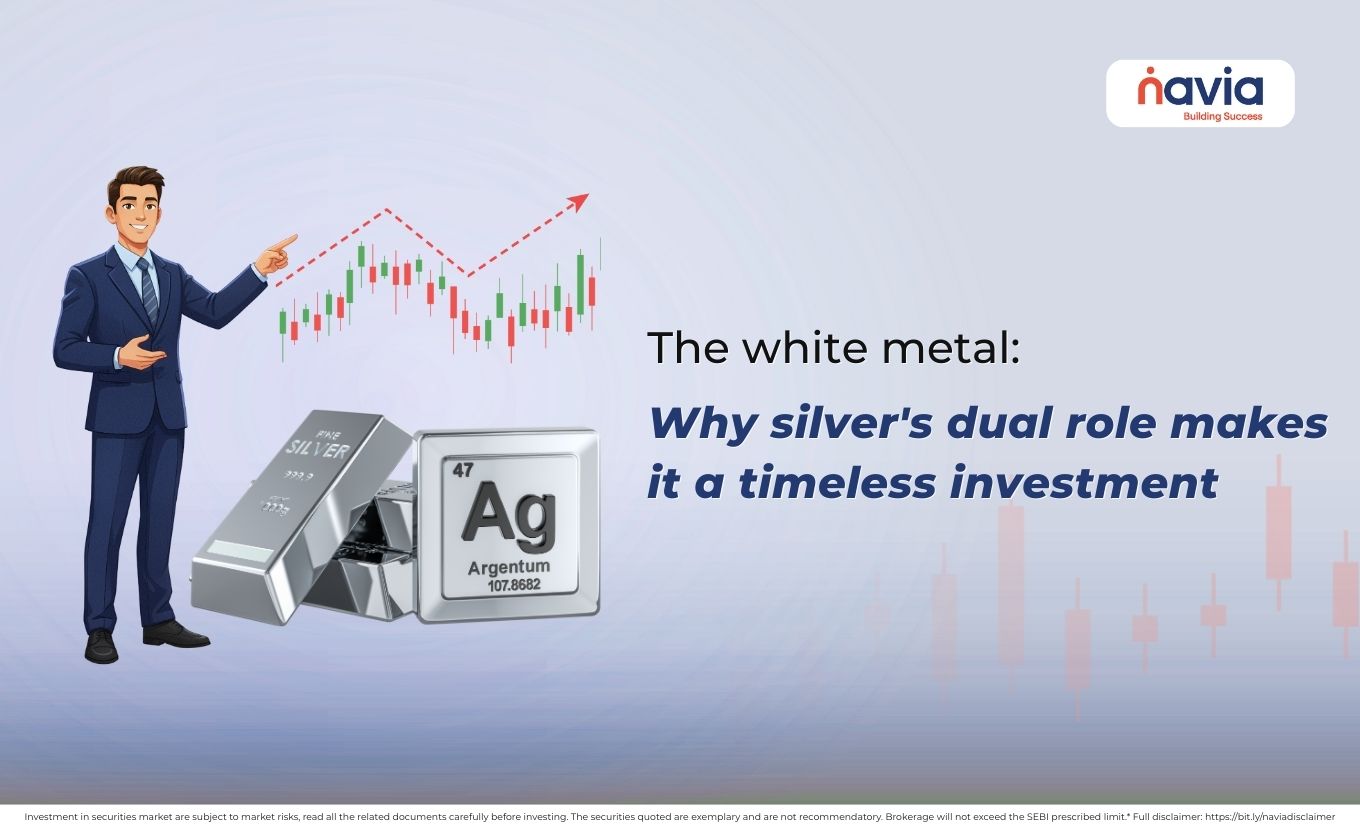
The White Metal: Why Silver’s Dual Role Makes it a Timeless Investment
- A Journey Through History: The Enduring Silver History Value
- Silver's Modern Revolution: The Industrial Engine
- Analyzing the Silver Investment Chart: Volatility and Opportunity
- Practical Silver Investment Methods
- The Future of Silver: A Brighter Sheen
- Frequently Asked Questions
There are so many precious metals captivated with humanity, serving as measures of wealth, status and stability. We know gold steals the spotlight, but its luminous sibling; silver offers a unique and compelling value proposition that spans both history and culture. From being a traditional store of value, silver’s dual nature—make it as an investment of metal and an indispensable industrial commodity.
Understanding the forces that drive the silver investment price requires looking beyond today’s headlines and driving into the metal’s ancient origins and modern applications.
A Journey Through History: The Enduring Silver History Value
Silver has held a revered place in human history for thousands of years. Early civilizations, from Egyptians to the Romans, give value for this white sheen and practical properties. The Roman Empire minted silver coins that became the backbone of their extensive trade network. This long history as a medium of exchange solidifies silver’s intrinsic silver history value.
Indian Context: From Raupya to Rupee
Silver has been deeply associated with cultural rituals, utensils, and currency. The very word for the Indian currency, Rupee (or Rupiya/Rupaiya), is derived from Sanskrit word Raupya (रौप्य), means “silver coin.” Today also gifting silver in India signifies prosperity and purity, underscoring the deep cultural trust in the metal.
The rich cultural background of this white metal driven significant domestic demand, influencing the silver history price in India across decades, and it often seeing surges during festive and wedding seasons.
The Silver Standard and Beyond
In the 19th century, several nations operated on the Silver Standard, that linked their national currencies to the metal’s value. The silver historical rate continues to be viewed through an investment lens, acting as a historical benchmark for asset preservation against the volatility of fiat currencies.
Silver’s Modern Revolution: The Industrial Engine
In the 21st century, silver is no longer confined to jewelry boxed and coin vaults; it is actively shaping the technological future. A significant share of global silver demand for today is for industrial applications, that make it more sensitive to global economic growth than gold.
Silver is positioned uniquely because of its combination of traits: it is the most electrically and thermally conductive, highly reflective, and extremely malleable metal on Earth. It will get high demand in key emerging sectors, like;
🔸 Clean Energy: The renewable energy revolution is expected to multiply the demand for solar panels which use silver paste to conduct electricity.
🔸 Next-Gen Tech: The Electric Vehicle (EV) boom requires significant amounts of silver for batteries and electronics. It is also essential for 5G infrastructure, medical applications, and semi-conductors.
This gives silver for investment a powerful underlying demand driver, distinct from the psychological demand that often drives gold.

Analyzing the Silver Investment Chart: Volatility and Opportunity
When considering silver investment, you must analyze the silver history price chart. Compared to gold, silver dual industrial/monetary roles lead to higher volatility; it presents both risk and opportunity.
Key Drivers of Silver Investment Price
The silver investment price is determined by a confluence of factors:
➤ Industrial Demand: The economic growth and technological expansion automatically push the silver prices higher.
➤ Safe-Haven Appeal: In the time of market turbulence, geopolitical tensions or high inflation investors flock to silver as a perceived safe-haven asset like gold.
➤ Gold-Silver Ratio: Traders monitor the ratio between gold and silver prices. The historical high ratio suggests that silver may be undervalued relative to gold, often leading to increased buying interest in silver.
➤ Currency Fluctuations: Silver is priced globally in USD (U.S. Dollars), so the weaking dollar typically makes silver cheaper for those holding other currencies.
The Long-Term Silver History Price Chart
The long-term silver historical rate shows high appreciation during the times of economic uncertainty and monetary expansion. The current trend suggests the strong structural demand, particularly with India seeing increasing imports driven by both growing jewelry demand and the expansion of domestic solar power projects.
Practical Silver Investment Methods
For the investors who are looking to add silver for investment to diversify their portfolio, there are several methods available now:
| Physical Silver | It includes buying silver coins or jewelry, offers direct ownership and acts as the most traditional hedge against inflation. |
| Silver Exchange-Traded Funds (ETFs) | These are tracking the price of silver, and it offers a convenient, liquid and secure way to gain exposure without the hassle of strong physical metal. |
| Silver Mining Company Stocks | You can invest in companies that mine silver offers leverage to the metal price movements, but it carries additional equity market risks specific to the company’s performance. |
Silver’s low correlation with traditional assets like equities or debt instruments makes it an excellent tool for diversification, helping to hedge against inflation and market turbulence.
The Future of Silver: A Brighter Sheen
The future of silver looks promising, because it is driven by its essential role in the clean energy transition. The growth of electric vehicles and solar power panels will enhance the demand for years to come. Furthermore, its antimicrobial properties are continuously finding new applications in healthcare and architecture.
So, the world focused on both sustainability and technological advancement of silver’s journey from ancient symbols to a key component in solar technology—reflects its unparalleled ability to adapt. The above-mentioned reasons are making silver investment a crucial consideration for a truly resilient portfolio.
Do You Find This Interesting?
We’d Love to Hear from you-

Frequently Asked Questions
Is investing in silver a good investment?
Investing silver can be a good investment as part of a diversified portfolio, but it carries higher volatility than gold. Silver offers a dual appeal:
▶ Industrial Demand: It is crucial for high-growth sectors like solar panels, electronics, and electric vehicles, meaning its demand rises with global economic expansion.
▶ Safe-Haven Asset: Like gold, it acts as a hedge against inflation and economic uncertainty.
Its industrial demand makes the silver investment price more volatile but potentially offers higher capital appreciation during technological booms.
Should I buy gold or silver in 2026?
The decision to buy gold or silver in 2026 depends on your investment outlook and risk tolerance. If you anticipate strong economic growth and technological advancement, silver may offer greater gains. If you anticipate recessionary pressures or high inflation, gold is typically the safer hedge. Many investors buy both to balance the portfolio.
How do I buy physical silver?
You can buy physical silver through several methods:
➢ Bullion Dealers: Purchase silver bars and coins from reputable private mints or coin dealers. Ensure the dealer is authorized and provides authentication.
➢ Banks/Brokerages: Some banks and brokerage firms offer silver coins and bars directly to customers.
➢ Online Marketplaces: Use dedicated, verified online platforms that specialize in precious metals.
➢ Jewelry: While culturally significant, silver jewelry is generally not recommended for pure investment as it involves high-making charges (premiums) that reduce its liquidity.
Why is Warren Buffett buying silver?
Warren Buffett historically favored silver over gold because it aligned with his value investing principles. He views silver’s essential role in industrial and medical applications as a source of intrinsic value, whereas he considers gold, which is primarily used for jewelry, to lack the practical utility he seeks in an investment.
Why is silver so cheap?
The perception that silver is “so cheap” is relative to gold and is primarily due to some factors:
➔ Higher Supply/Lower Rarity: Silver is mined and consumed in much larger quantities than gold. Its geological scarcity is lower, leading to lower prices per ounce.
➔ Industrial Consumption: A large portion of mined silver is consumed by industry and essentially destroyed (not recycled), making its above-ground reserves smaller than golds, but its price is constrained by its continuous industrial supply and demand cycle.
➔ The Gold-Silver Ratio: Historically, the ratio of gold price to silver price has been much lower. When this ratio widens (meaning gold is expensive relative to silver), many analysts argue that silver is currently cheap and due to a correction.
DISCLAIMER: Investment in securities market are subject to market risks, read all the related documents carefully before investing. The securities quoted are exemplary and are not recommendatory. Full disclaimer: https://bit.ly/naviadisclaimer.