

Is Entry More Important or Exit in Trading?
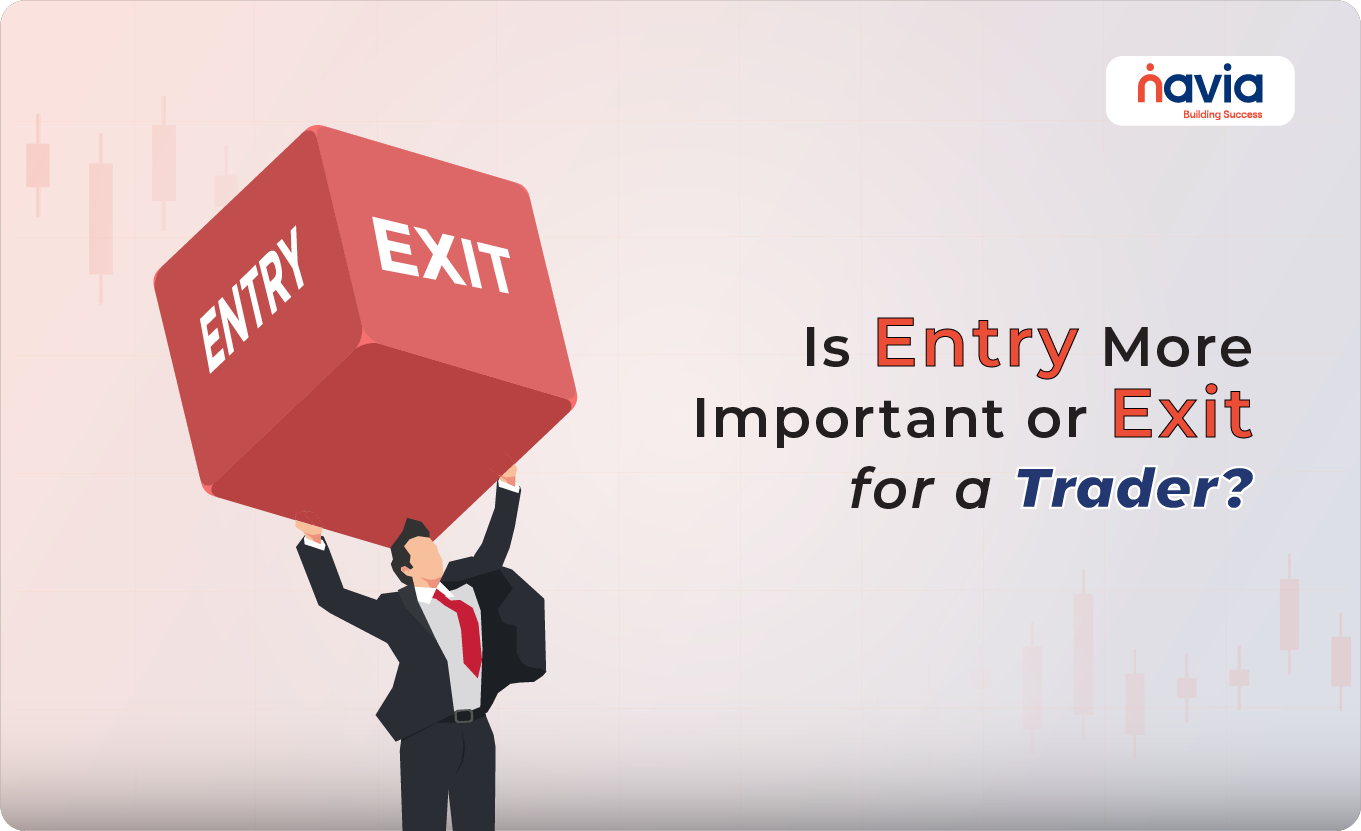
Trading is often perceived as a game of precise entries, where success depends on timing the market perfectly. But is entry really more important than exit in trading? Let’s break down this crucial aspect of trading strategy to understand which matters more and why.
💡 Quick Answer
Both matter, but exit decides the outcome. A good entry improves your risk-to-reward ratio and lowers drawdowns, yet you only make money when you exit. Plan the exit before you enter: set a target, a stop-loss and a trailing rule, then stay disciplined even when emotions push against it.
The Case for Entry: Setting the Stage
Many traders focus intensely on entering the market at the “perfect” price. This makes sense because:
- Risk-Reward Setup: A good entry can offer a favorable risk-to-reward ratio.
- Lower Drawdowns: Entering at a better price means less potential loss if the trade goes against you.
- Early Edge: If the market moves in your favor right after entry, the trade becomes psychologically easier to manage.
However, even with the perfect entry, things can go wrong if you don’t have an exit strategy in place.
The Case for Exit: Locking in Success
The exit strategy is what ultimately determines profit or loss. Why? Because:
- Profit Realization: You only make money when you exit a trade, not when you enter.
- Risk Control: A well-placed stop-loss exit prevents small losses from becoming disasters.
- Managing Emotions: Exit rules reduce emotional decisions driven by greed or fear.
Exits can be based on targets, stop-losses, trailing stops, or signals from indicators. Without a clear exit plan, even the best entry can turn into a losing trade.
A Balanced Perspective: Entry + Exit = Winning Edge
While entry sets the stage, exit writes the ending. Both are crucial:
- A Great Entry with a Poor Exit: May result in giving up profits or taking bigger losses.
- A Poor Entry with a Great Exit: Can still be profitable if managed well.
Real-World Example
Consider two traders, Raj and Maya, trading the same stock:
- Raj: Focuses only on perfect entry but has no exit plan. He enters at ₹100 but holds too long, hoping for bigger gains. The stock rises to ₹110 but falls to ₹95. He exits at a loss.
- Maya: Plans her exit before entering. She enters at ₹102, sets a profit target at ₹110, and a stop-loss at ₹98. When the stock hits ₹110, she exits with an ₹8 profit despite a less-than-perfect entry.

In trading, entries set the foundation, but exits build the results. A great trader knows how to balance both for consistent success. Plan your exits as carefully as you plan your entries—and let the market do the rest!
Key Takeaways
- Plan Before You Trade: Define both entry and exit rules.
- Use Risk-Reward Ratios: Ensure potential profits outweigh possible losses.
- Stay Disciplined: Stick to your exit plan even if emotions try to interfere.
- You only make money when you exit a trade, not when you enter, so the exit ultimately determines profit or loss.
- Exits can be based on targets, stop-losses, trailing stops, or signals from indicators.
Frequently Asked Questions
Is entry or exit more important in trading?
Both matter, but the exit ultimately determines profit or loss, because you only make money when you exit a trade, not when you enter. A great entry with a poor exit may result in giving up profits or taking bigger losses, while a poor entry with a great exit can still be profitable if managed well.
Why does a good entry point matter in trading?
A good entry can offer a favourable risk-to-reward ratio, and entering at a better price means less potential loss if the trade goes against you. If the market moves in your favour right after entry, the trade also becomes psychologically easier to manage.
What should a trading exit strategy include?
Exits can be based on targets, stop-losses, trailing stops, or signals from indicators. A well-placed stop-loss exit prevents small losses from becoming disasters, and exit rules reduce emotional decisions driven by greed or fear.
What happens if you trade without an exit plan?
Without a clear exit plan, even the best entry can turn into a losing trade. In the example above, Raj enters at ₹100 with no exit plan and holds too long; the stock rises to ₹110 but falls to ₹95, and he exits at a loss.
How do you plan entry and exit together?
Define both entry and exit rules before you trade, use risk-reward ratios so potential profits outweigh possible losses, and stay disciplined enough to stick to your exit plan even when emotions try to interfere.
Did you find this article helpful?
Your feedback helps us write better content.

DISCLAIMER: Investments in the securities market are subject to market risks, read all the related documents carefully before investing. The securities quoted are exemplary and are not recommendatory. Brokerage will not exceed the SEBI prescribed limit. Full disclaimer: https://bit.ly/naviadisclaimer