

IPOs and Retail Investors: What to Know in 2026

Initial Public Offering (IPO) investments can be exciting because they give retail investors participation in a company’s public issue when they enter the market. But if you are asking are IPOs safe, the honest answer is that IPOs are not automatically safer than regular stocks.
For anyone wondering if IPO investing may suit different investors differently, the answer depends on the company’s business quality, valuation, market sentiment, and the investor’s risk appetite. That is why IPOs should be understood clearly before applying.
💡 Quick Answer
IPOs let retail investors buy a company’s shares when it first lists, but they are not automatically safer than other stocks. Whether an IPO suits you depends on the company’s business quality, valuation, market sentiment and your own risk appetite — so it is worth reading the offer document and comparing valuations before you apply.
What are IPO Investments?
If you want to know what are IPO investments, they are investments made in a company’s shares when it offers them to the public for the first time. The company uses the IPO to raise money from investors, while investors get a receive ownership interest.
In simple terms, an IPO is the first public sale of shares by a private company. This makes it different from buying an already listed stock in the secondary market.
How Does IPO Investment Work?
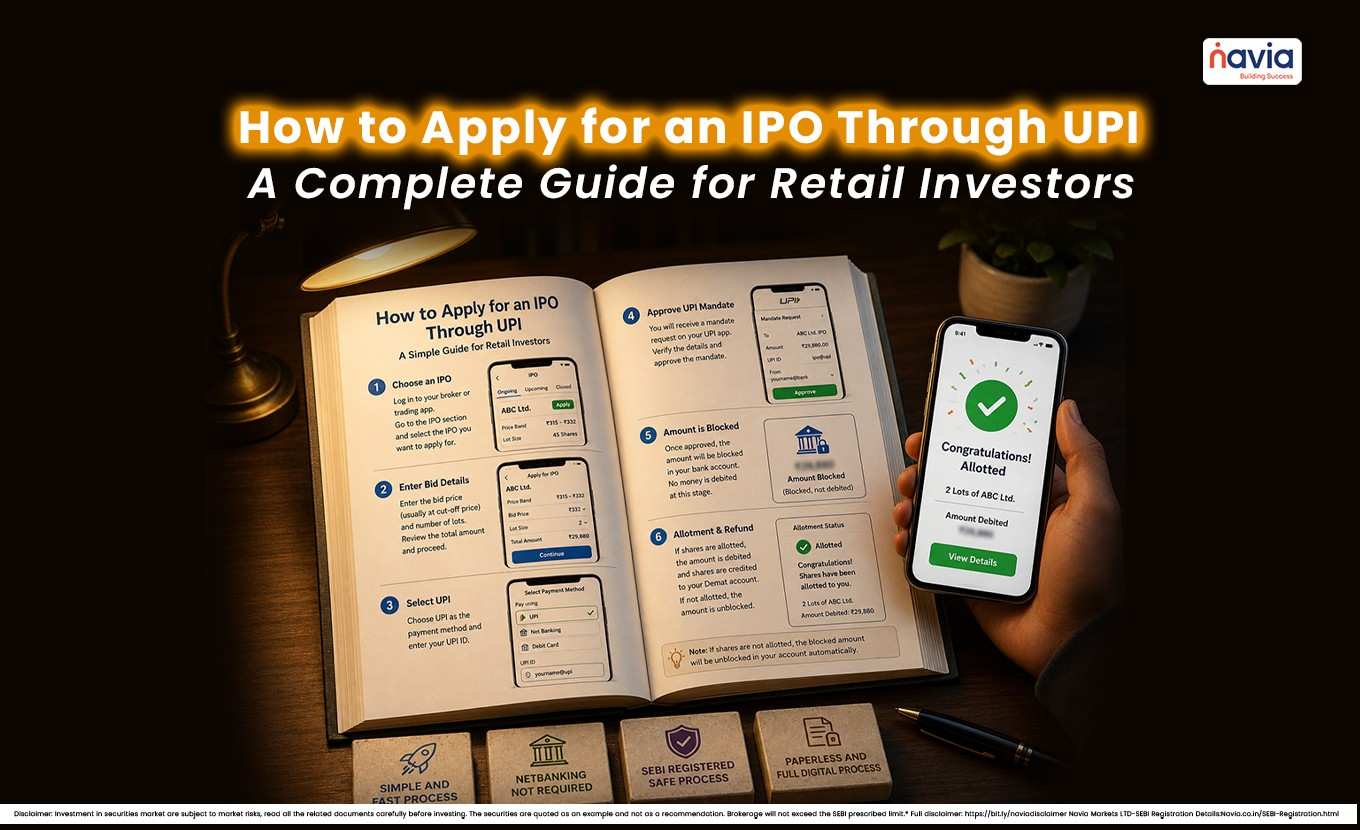
How does IPO investment work easier to understand when broken into steps. First, the company files its documents and announces the issue. Then investors apply through their broker or app within the offer period.
After the issue closes, allotment is finalized, and successful applicants receive shares in their demat account. Once listed, the shares begin trading on the exchange. The final market price after listing can differ from the issue of price because it is influenced by demand and supply.
Are IPOs Safe for Retail Investors?
IPOs are not risk-free, and they are not automatically safe just because they are new issues. Newly listed companies may have limited trading history, limited public market performance data, and pricing that can be influenced by demand at the time of launch.
That is why IPO investments should be viewed as market instruments with associated risk, not as guaranteed outcomes. A retail investor’s returns may vary if the company performs well, but losses are also possible if sentiment turns weak after listing.

Retail Investor Limit
The IPO retail investors limit in India is an important part of the application process. Retail investors are typically classified based on the maximum application size allowed in a public issue, and SEBI has historically set up a cap of Rs 2 lakh for retail applications across public issues.
This limit matters because it defines who is treated as a retail applicant and how shares may be allotted in the issue. Investors should always verify the current issue document for the latest rules before applying.
Why IPOs Receive Investor Attention?
Many investors like IPOs because they offer access during listing stage to a business before it becomes widely traded. If the business grows after listing, market outcomes may vary after listing.
However, attractive stories can also lead to overpricing. A strong brand, good demand, or market buzz does not always mean the valuation is fair, or that the listing will market outcomes may vary.
Common IPO Evaluation Factors
Before applying, investors should review the company’s financials, valuation, use of proceeds, and business risks. It is also useful to understand whether the company already has a proven market position or is still in a high-risk growth phase.
A simple checklist for IPO investments:
- Read the offer document
- Check financial performance
- Compare valuations with peers
- Understand business risks
- Review the lock-in or shareholder structure if relevant
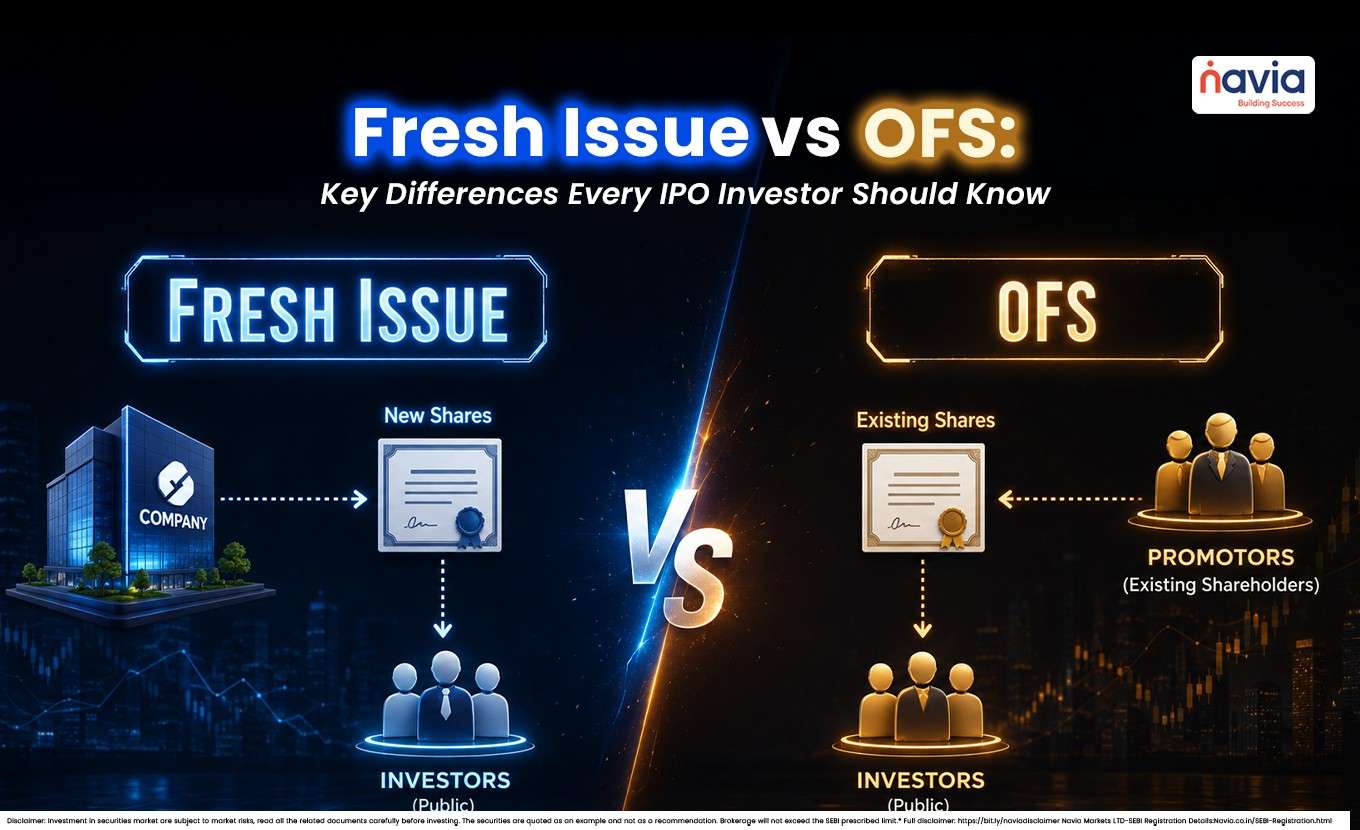
This approach may support structured analysis and be less emotional. It also helps to understand the difference between a fresh issue and an offer for sale, and between an SME IPO and a mainboard IPO.
Are IPO Investments Good or Bad?
If you are asking if IPO investment is risk and suitability vary, the most accurate answer is that it can be good for the right investor and poor for the wrong one. For a long-term investor who understands the business and accepts volatility, an IPO may be a possible participation route.
For someone focusing primarily on listing-day price movement without studying the issue, the risk can be much higher. The investment characteristics depend more on analysis than on the “IPO” label itself.
Conclusion
IPO investing can be a useful way to participate in a company’s first public offering, but it is not automatically lower risk for retail investors. If you are searching are IPO safe, the practical answer is that safety depends on research, valuation, and the investor’s risk profile.
For retail investors, the key is to understand how does IPO investment work, respect the IPO retail investors limit, and evaluate whether the issue matches investment objectives. That is one of the common approaches of IPOs without turning them into a structured analysis.
Key Takeaways
- An IPO is a company’s first sale of shares to the public; buying one is not automatically low-risk.
- Newly listed companies have limited trading history, so pricing can be driven by launch-day demand.
- Retail applications are subject to a regulatory application limit set by SEBI.
- Reviewing the offer document, financials, valuation and business risks helps you decide.
- The listing price can differ from the issue price because it moves with demand and supply.
- Whether an IPO is good or bad depends on the company and your time horizon, not the IPO label.
Did you find this article helpful?
Your feedback helps us write better content.

Frequently Asked Questions
Is IPO safe for retail investors?
Not always. IPOs carry risk, and the outcome depends on the company, valuation, and market conditions.
What are IPO investments?
They are investments made when a company offers shares to the public for the first time.
How does IPO investment work?
Investors apply during the issue period; allotment happens after closing, and shares are listed later the exchange.
Is IPO investment good or bad?
It can be good or bad depending on the company’s fundamentals, valuation, and the investor’s time horizon.
Why do IPO prices change after listing?
Because the market price is driven by demand and supply, which may differ from the issue price.
DISCLAIMER: Investment in securities market are subject to market risks, read all the related documents carefully before investing. The securities quoted are exemplary and are not recommendatory. Full disclaimer: https://bit.ly/naviadisclaimer.