


Eid Envelope: The Formula That Measured Real Returns
- The Envelope That Started the Debate
- Why Timing Changes Everything
- The Example That Changed Sameer’s Mind
- A Different Kind of Eid Gift
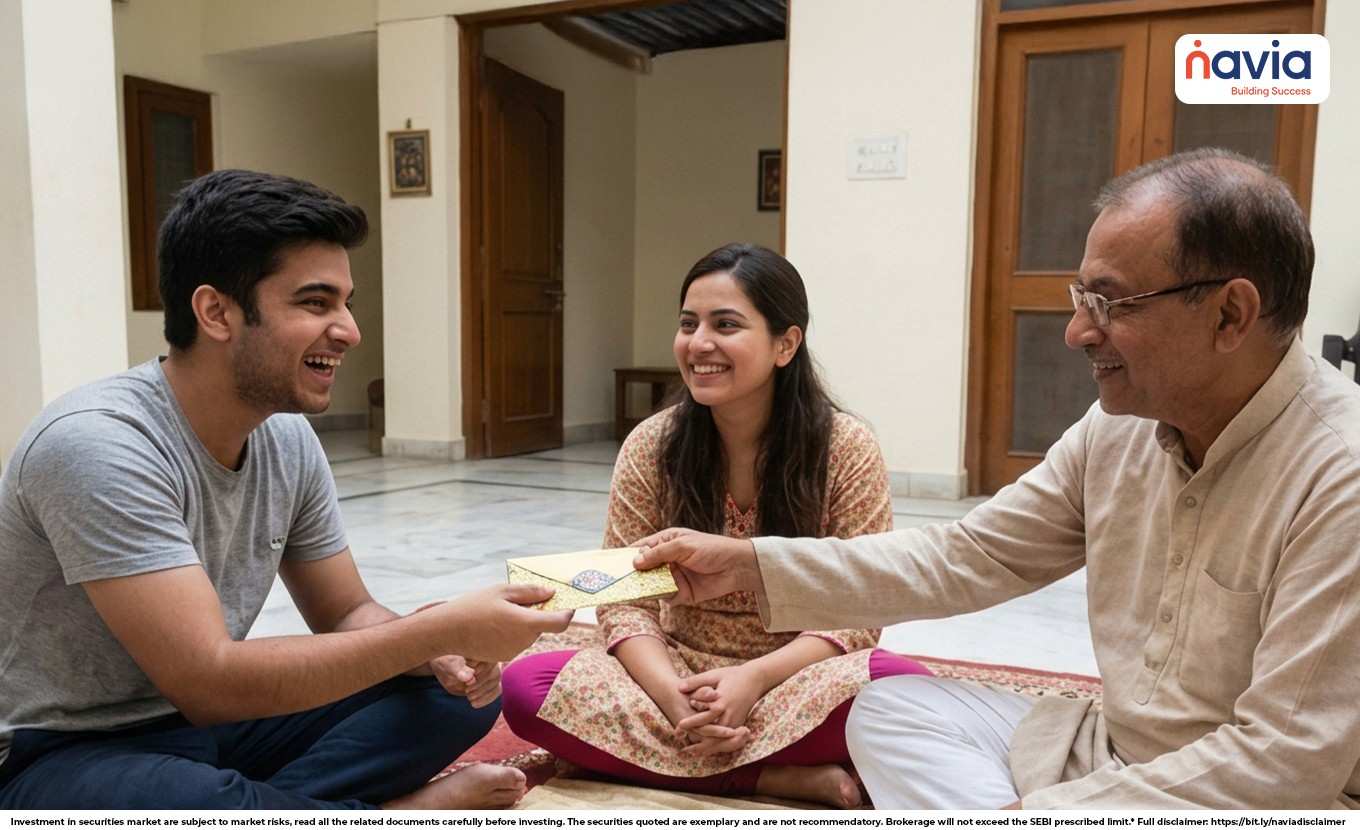
The Envelope That Started the Debate
Eid morning in Lucknow was bright and joyful. The old lanes near Chowk were filled with the smell of sheer khurma, children ran around in new clothes, and families gathered after prayers to exchange hugs and envelopes of Eidi.
Inside a courtyard house, three generations sat around a large dining mat.
Sameer, a young engineer who had recently started trading stocks. His elder sister Sana, a chartered accountant who worked in a financial advisory firm. And their uncle Hassan, a retired bank manager who enjoyed quietly analyzing markets.
After the Eid hugs, Hassan handed Sameer an envelope. “Your Eidi.”
Sameer laughed. “Uncle, I might need more than that. My trading account didn’t perform well this year.”
Sana teased him. “Did you at least calculate your real return?”
Sameer frowned. “Return is return. I invested one lakh and ended the year with one lakh fifteen thousand. Fifteen percent.”
Hassan shook his head slowly. “Not necessarily.”
Sameer blinked. “What do you mean?”
Hassan leaned forward. “Because the timing of your money matters. That’s where the Internal Rate of Return, or IRR, comes in.”

Why Timing Changes Everything
The courtyard quieted as Hassan spoke.
“Most people calculate return as simple profit divided by investment. But that ignores when the money was invested or withdrawn.”
Sana nodded. “IRR helps address that problem. It calculates the rate of return that makes the present value of all cash flows equal to zero.”
Sameer looked confused. “Present value?”
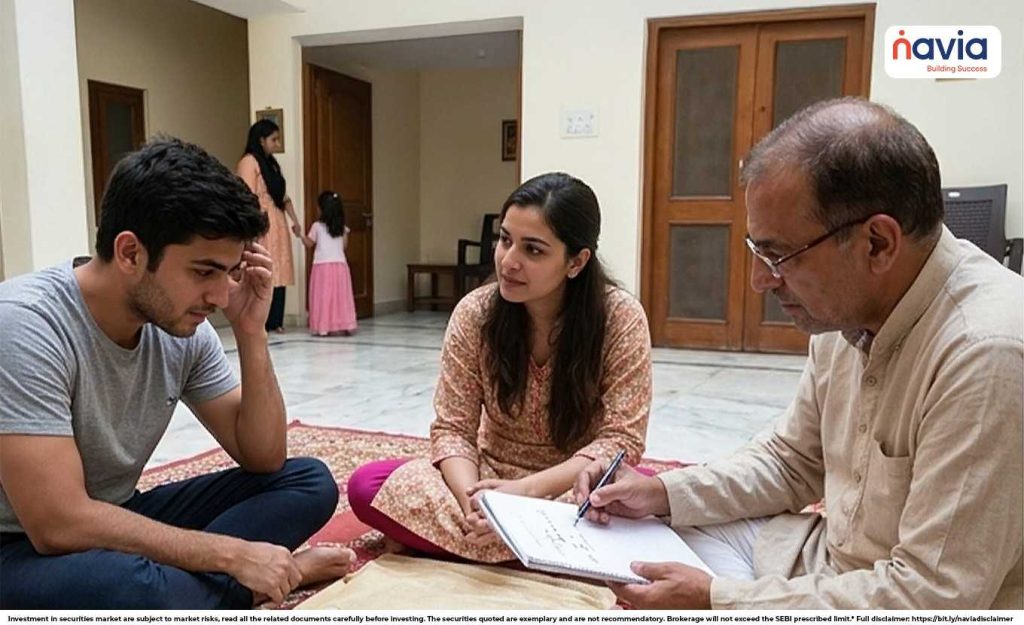
Hassan grabbed a notepad.
IRR Formula:
0 = Σ [ Cash Flowₜ ÷ (1 + r)ᵗ ]
He explained slowly. “Cash Flowₜ is money invested or received at time t. The rate r is the IRR we solve for. I will send you a calculator link later: https://www.calculator.net/irr-calculator.html”
Sameer scratched his head. “So this measures growth considering time?”
“Yes. If you added money during dips or withdrew profits, IRR captures performance considering timing.”
Sana added, “That’s why many professional investors review metrics like IRR along with simple returns.”
The Example That Changed Sameer’s Mind
Sana drew a small table on the paper.
“Suppose you invested ₹1,00,000 in January. Then you added ₹50,000 in June when markets fell. By December, your account became ₹1,80,000.”
Sameer smiled. “That’s great. Thirty thousand profit.”
Sana shook her head gently. “But the return isn’t simply thirty percent. Because the second investment had less time to grow. IRR calculates the rate that equalizes all cash flows with the final value.”
Hassan added, “In this case, the IRR might be closer to around twenty percent, not thirty.”
Sameer leaned back slowly. “So simple return can sometimes exaggerate performance.”
Sana said, “Yes. IRR reflects time-adjusted growth. That’s why venture capital firms and private equity funds often use it when evaluating investments.”
Hassan added another insight. “IRR can also help compare projects. If two investments generate different cash flow patterns, IRR can offer another perspective on performance.”
A Different Kind of Eid Gift
The call for Eid lunch echoed from the kitchen.
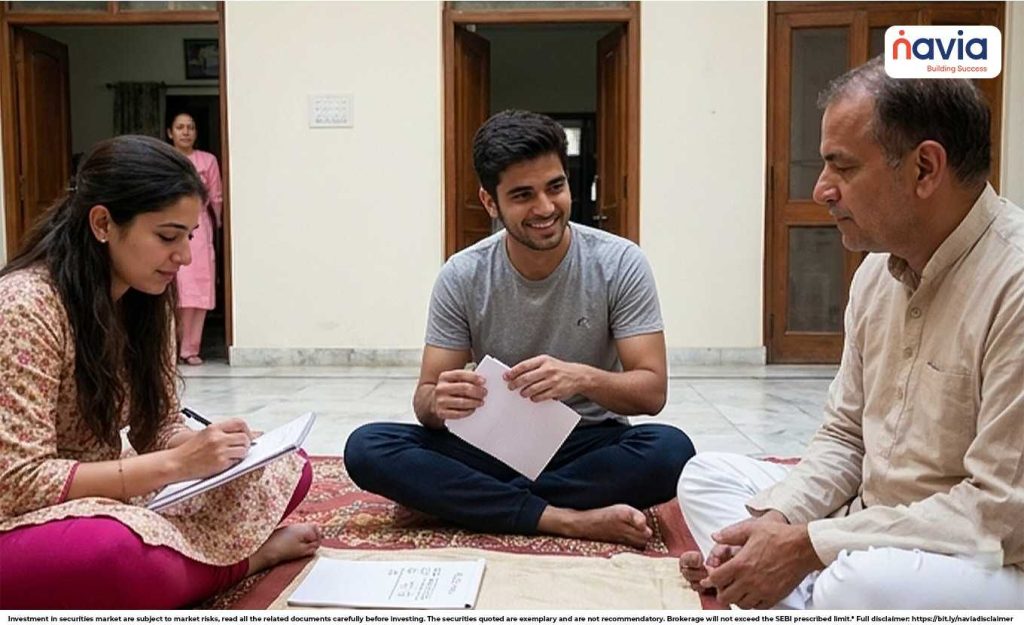
Sameer folded the paper carefully. “This is the most useful Eidi I’ve received.”
Sana laughed. “A formula instead of cash.”
Hassan smiled. “Money comes and goes. Understanding how it grows stays with you.”
Sameer looked thoughtful. “So from now on, I should track IRR along with simple returns.”
“Yes. Especially if you keep adding or withdrawing funds.”
Sana added, “When you review portfolios, tools can help. Platforms like the Navia All In One App allow investors to track performance more clearly.”
As the family gathered for lunch, Sameer felt something change inside him. This Eid had given him more than celebration. It had given him clarity.
And from that day, he stopped asking only how much he earned. He started asking how efficiently his money was working.
Do You Find This Interesting?
We’d Love to Hear from you

DISCLAIMER: This story is a fictional illustration created for educational purposes. Investment in securities market are subject to market risks, read all the related documents carefully before investing. The securities quoted are exemplary and are not recommendatory. Brokerage will not exceed the SEBI prescribed limit. Full disclaimer: https://bit.ly/naviadisclaimer