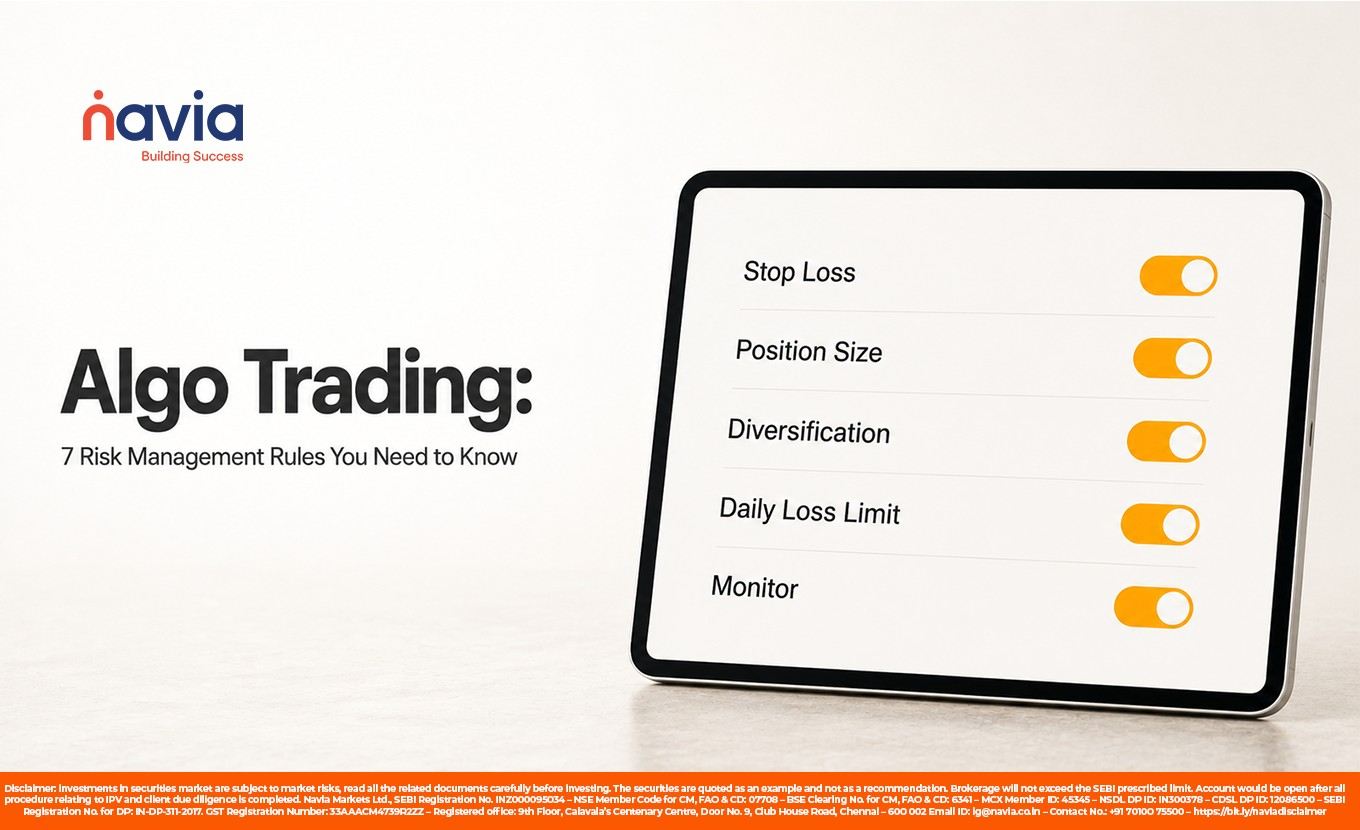


Understanding How a Trading System Can Be Structured for Beginners

A trading system gives structure to your decisions. Instead of guessing when to buy or sell, you follow a clear set of rules for entry, exit, risk, and review. For a beginner, this matters because a system may help reduce emotional decision-making and support tracking outcomes.
If you are searching for how to build a trading system for beginners, the idea is simple: start small, define rules, test them, and refine the process using data rather than hope. This is one approach that beginners may consider creating a repeatable trading approach.
💡 Quick Answer
A trading system is a clear set of rules for entry, exit, risk, and review that replaces guesswork with a repeatable process. A beginner can build one by starting with a single goal, choosing one market and setup, writing exact entry and exit rules, adding risk management, and backtesting the idea before trading live.
Start With One Goal
The first step is to define what you want your system to do. A system for day trading will look different from one for swing trading or investing. You should decide the market, the time frame, and the style before creating any rules.
A beginner should avoid trying to trade everything at once. Narrowing the focus makes it easier to notice what works and what does not work. This is one of the key aspects of building a trading strategy from scratch.
Choose A Market and Setup
Once your goal is clear, choose the market and the type of setup you want to trade. For example, some traders focus on liquid stocks, while others prefer index futures or forex-style instruments.
Then define the conditions that must appear before you take a trade. These conditions may include trend direction, support or resistance, candle pattern, volume, or momentum confirmation. The main goal is to create a rule-based setup instead of entering trades randomly.
Build Entry and Exit Rules
A trading system is incomplete without exact entry and exit rules. Your entry rule tells you when to enter, while your exit rule tells you when to book profit or cut loss.
For example, you may decide to enter only when price crosses a key level, and volume increases. You may exit when a target is hit; a stop-loss is triggered, or momentum weakens. Clear rules may help reduce emotional decision-making.

Add Risk Management
Risk management is the part that manages potential losses. A beginner should decide in advance how much money to risk each trade and how many losing trades can be tolerated in a day or week.
The idea is not to make every trade a winner. The objective is to limit the impact of a single trade on the overall account. That is why risk management is a core part of any SEBI-friendly educational trading blog.
Backtest Before Real Trading
After writing your rules, test them on past price data. This is called backtesting. It allows you to evaluate how the system performed under past market conditions.
Backtesting is useful because it can show your win rate, average loss, average gain, and drawdown. If the system does not perform well on historical data, it may need revision before real money is used.
Keep It Simple
A beginner should not overload the chart with too many indicators. A simple system is often easier to follow, easier to test, and easier to improve.
You can start with one market, one setup, one entry rule, one exit rule, and one risk rule. Then observe the results and make small adjustments if needed. Simplicity is often preferred by beginners for ease of use and testing when you are learning.
Review And Improve
A trading system should evolve with experience. After each batch of trades, review what worked, what failed, and whether the rules were followed properly.
This review process may help identify strategy problems from discipline problems. If the system is good but the execution is poor, the fix is behavior. If the rules themselves are weak, the fix is strategy design.
Conclusion
A beginner can build a trading system from scratch by starting with one clear goal, defining a market and setup, writing entry and exit rules, applying risk management, and testing the idea before going live. That process can support a more structured and repeatable approach
Many trading systems are designed to be simple and rule based. If you want long-term improvement, beginners may choose to focus on consistency before adding complexity.
Key Takeaways
- A trading system is a rule-based framework for entry, exit, risk, and review that may reduce emotional decisions.
- Start with one clear goal: pick the market, time frame, and style before writing any rules.
- Define exact entry and exit conditions instead of trading randomly.
- Add risk management to limit how much any single trade can affect your account.
- Backtest the rules on past data, keep the system simple, and review and refine over time.
- No system guarantees profit — consistency matters more than complexity.
Did you find this article helpful?
Your feedback helps us write better content.

Frequently Asked Questions
What is a trading system?
A trading system is a set of rules that tell you when to enter, exit, and manage trades.
How can a beginner build a trading system from scratch?
Start with one market, define clear entry and exit rules, add risk management, and backtest the idea before trading live.
Why is risk management important?
It is used to manage potential losses and control risk exposure and keeps one bad trade from ruining the plan.
Should beginners use many indicators?
No. A simple system is usually better because it is easier to understand and test.
Can a trading system guarantee profit?
No. A trading system may improve discipline and decision-making, but results can still vary.
DISCLAIMER: Investment in securities market are subject to market risks, read all the related documents carefully before investing. The securities quoted are exemplary and are not recommendatory. Full disclaimer: https://bit.ly/naviadisclaimer.